
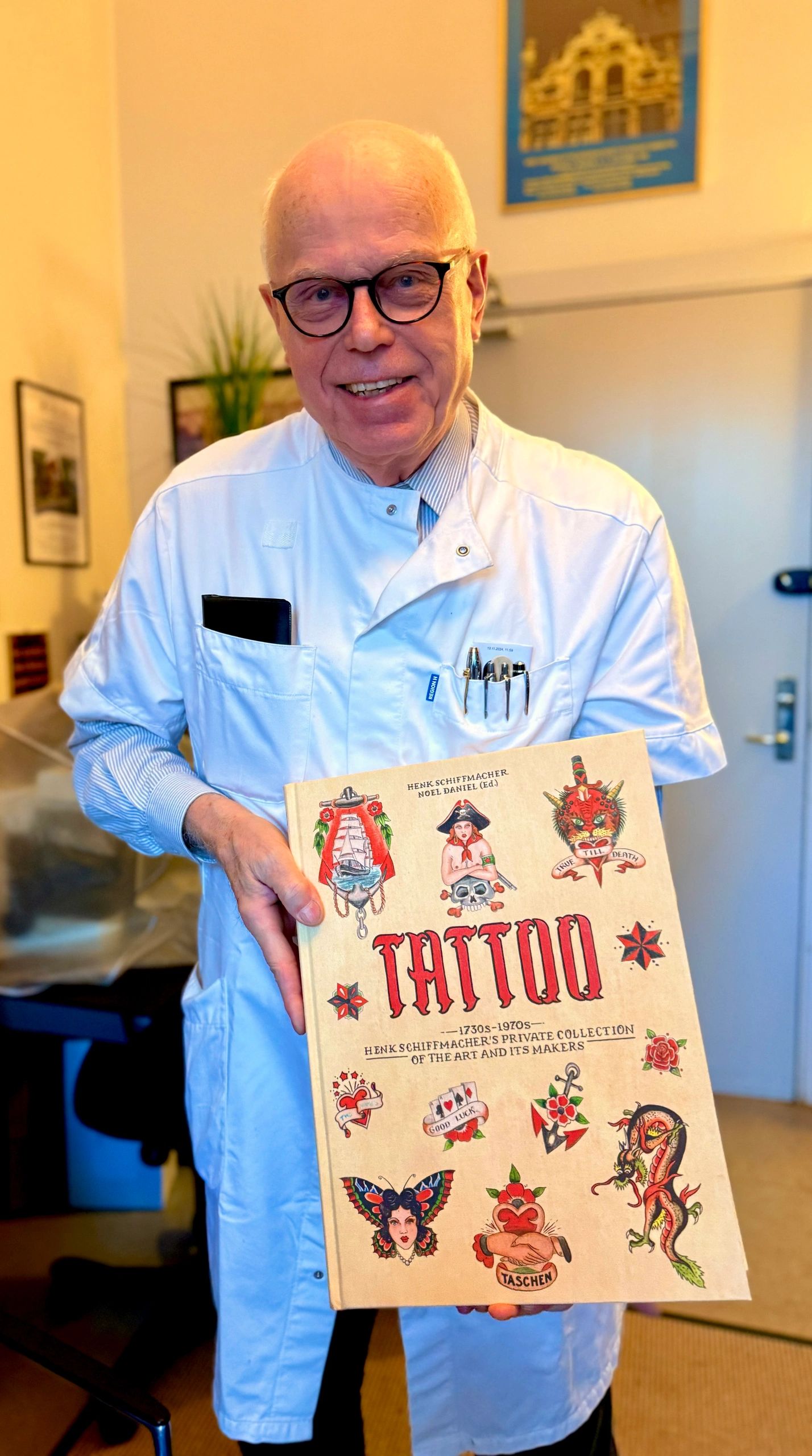
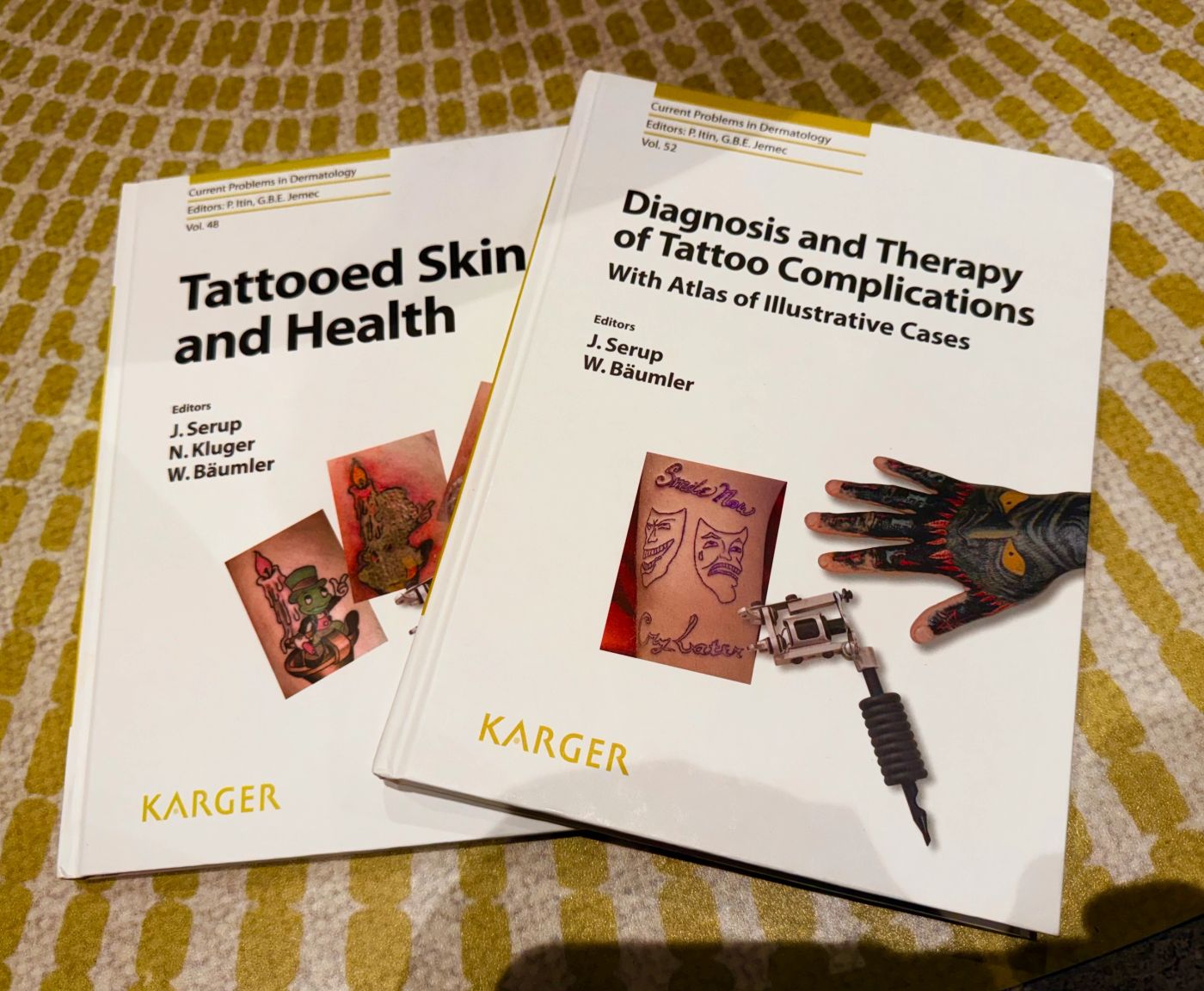
Jørgen V. Serup is certainly the premier European Union (and, perhaps, worldwide) medical expert on all things tattoo: the inks, proper hygiene in parlors, how to diagnose and treat complications. He’s written hundreds of scholarly articles and several textbooks; penned much of the current Danish and EU laws on inking; founded the European Society for Tattoo and Pigment Research; and single-handedly teaches a mandatory hygiene course for all new artists in his home country, Denmark.
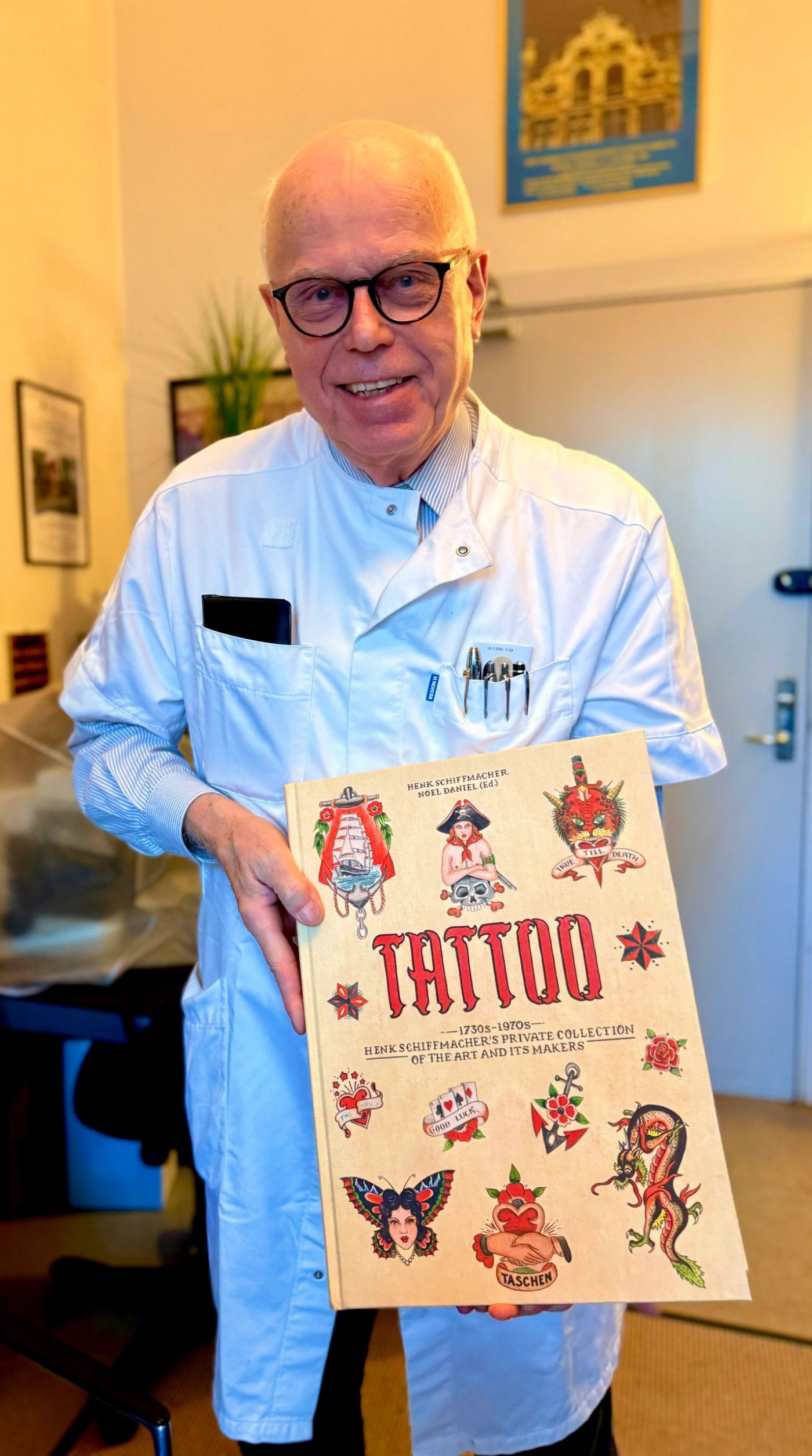
Despite these professional chops he’s also a gentle, warm and unassuming prince of a man. He got started in on all this mid-career, only twenty years ago, after he read of a patient who’d lost a leg following a tattoo infection. The doctors hadn’t known what to do, and Jørgen found that shameful. He himself doesn’t have any ink of his own yet he admires the art and the desire for personal expression that tattooing affords, and feels those involved on both ends of the needle merit safety.
We were lucky enough to accompany him on one of these courses—this time to Fredericia, a small western port in Denmark between the North Sea and the Baltic. It was a dark, cold, rainy and windy place for a group from New Mexico—though the locals couldn’t get over how “warm and nice” the weather was. (I can only imagine what might constitute a “bad day” for a Dane in late November.) Jørgen was kind enough to chauffeur us there and delight with interesting tales of his life and career—a lengthy one, as he now approaches eighty.
The course was an all-day affair. I found the hygiene rules logical and more extensive than their counterparts in the U.S. Around 35 artists from both Denmark and abroad were in attendance. I was impressed at how attentive they were during the discussions, slide-shows, hand-sanitizer demonstration, videos and course review.
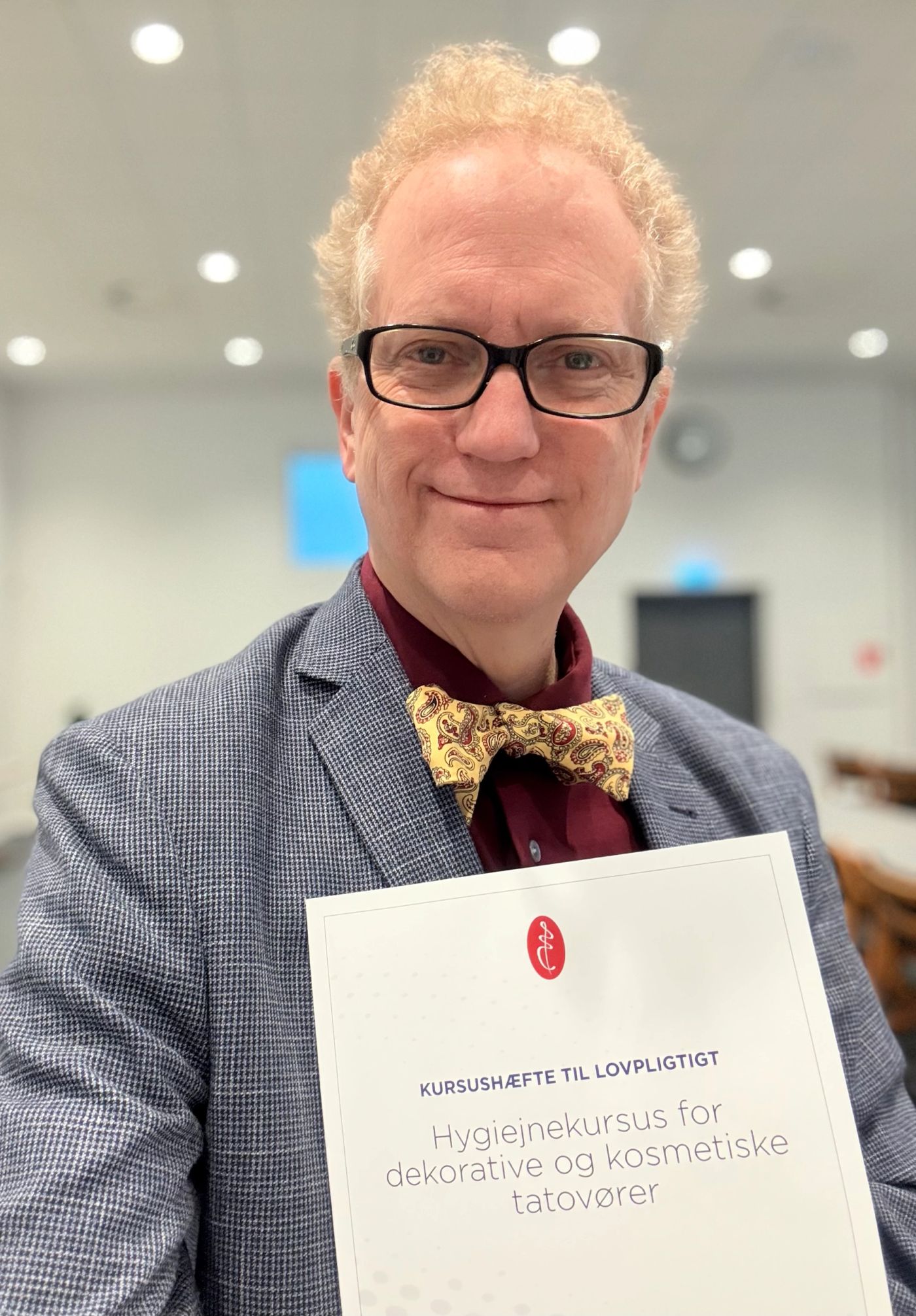
I gave a talk on my own ink journey and the wide-ranging tattoo regulations across America; attendees were receptive and friendly to a doc who’s clearly one of their own! It was interesting to hang out with them: to learn of their backgrounds, aspirations, anxieties, their frustrations with the arbitrary and intrusive EU restrictions on specific ink colors (and the creative ways they get around those). One of the things that keeps me coming back for more—perhaps the most important thing—is the tattoo artist themself. They are almost always interesting, colorful, and full of surprises. It’s been hard since college for me to make new friendships, what with marriage(s), children, professional obligations, bills. But no more: I am honored and lucky to call so many of these talented artists my new friends.
Aside from my talk the meeting was exclusively in Danish. Fortunately I was given an English slide deck, as Google Translate produced one hilarious and epic fail after another. In all fairness to AI, Danish is a brutal language and the pronunciations sound nothing like the printed words to an American. (Or to anyone else besides a Dane, I should think.)


One curious footnote for horror fans was the number of our hotel room. Too bad it didn’t come with a bath tub!

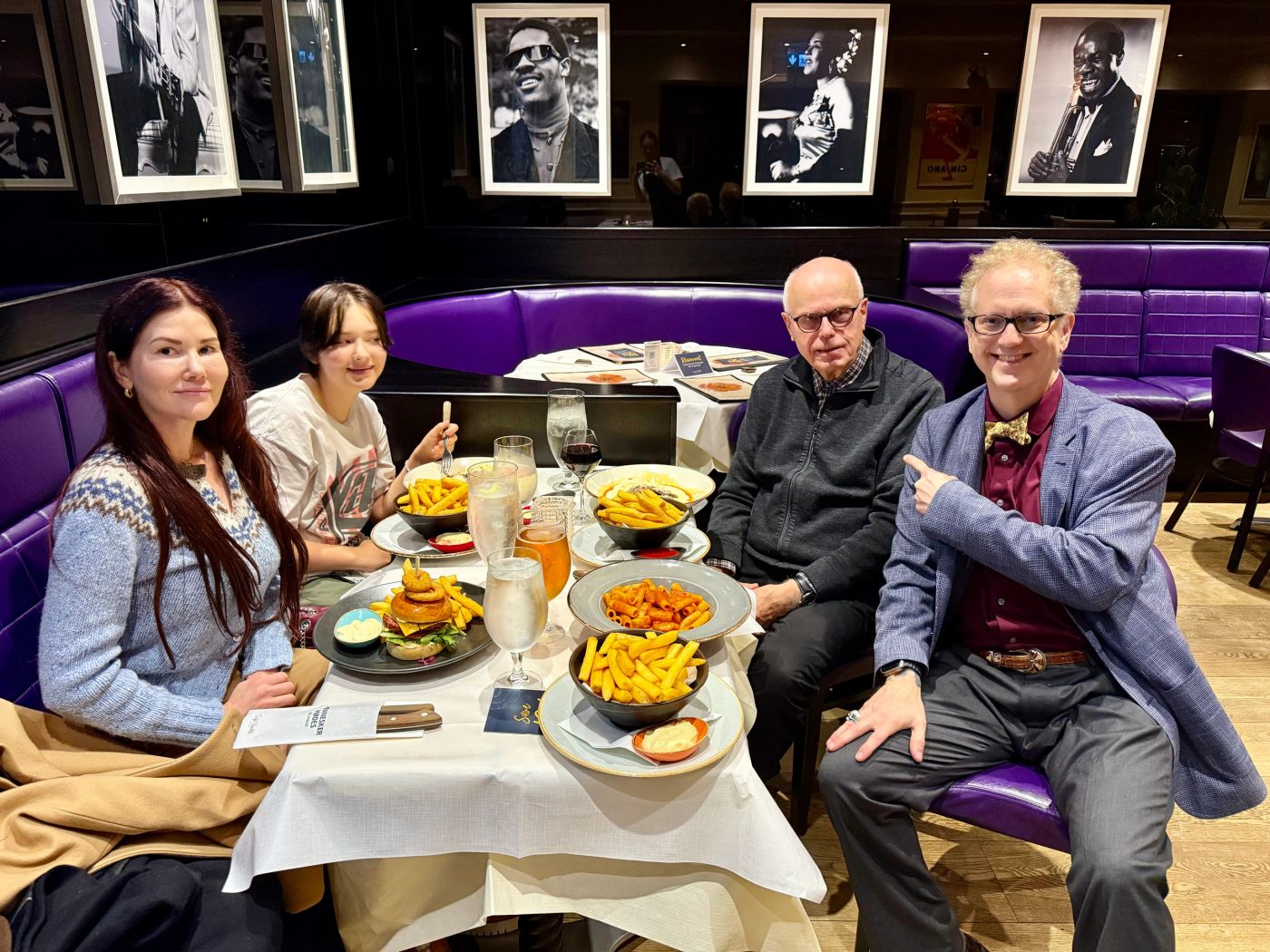
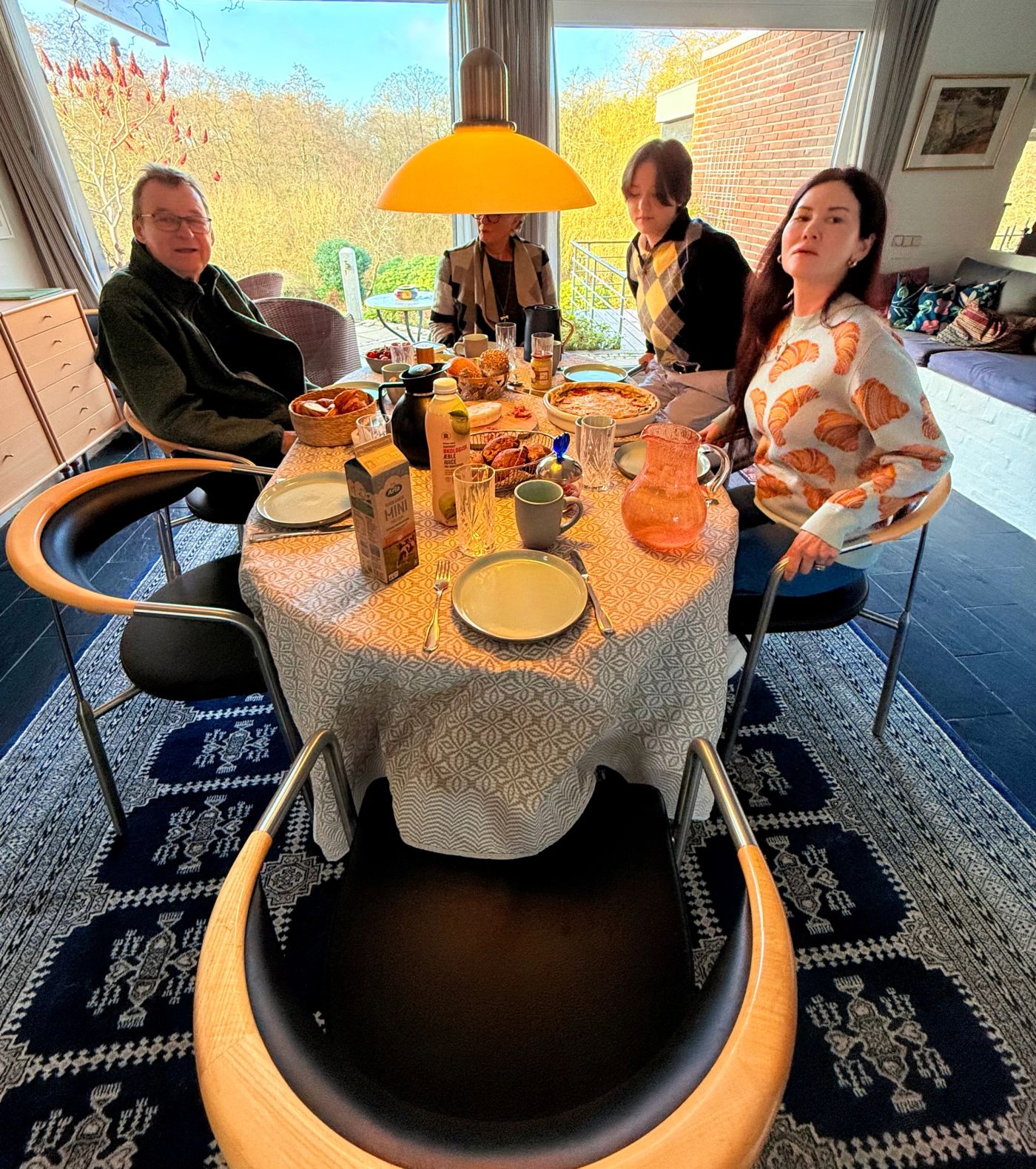
Back in Copenhagen we spent a day with family friends. The Danes are generous, friendly and welcoming; these particular ones, though only tangentially connected to me at most, nonetheless were really gracious, inviting us into their lovely suburban home for brunch and then taking us on a tour of the city and to dinner. They continued the excursion the following day with Jaime and Scott while I again spent time with Dr. Serup, on this occasion in his clinic on the Oxford-like campus of Bispebjerg Hospital.




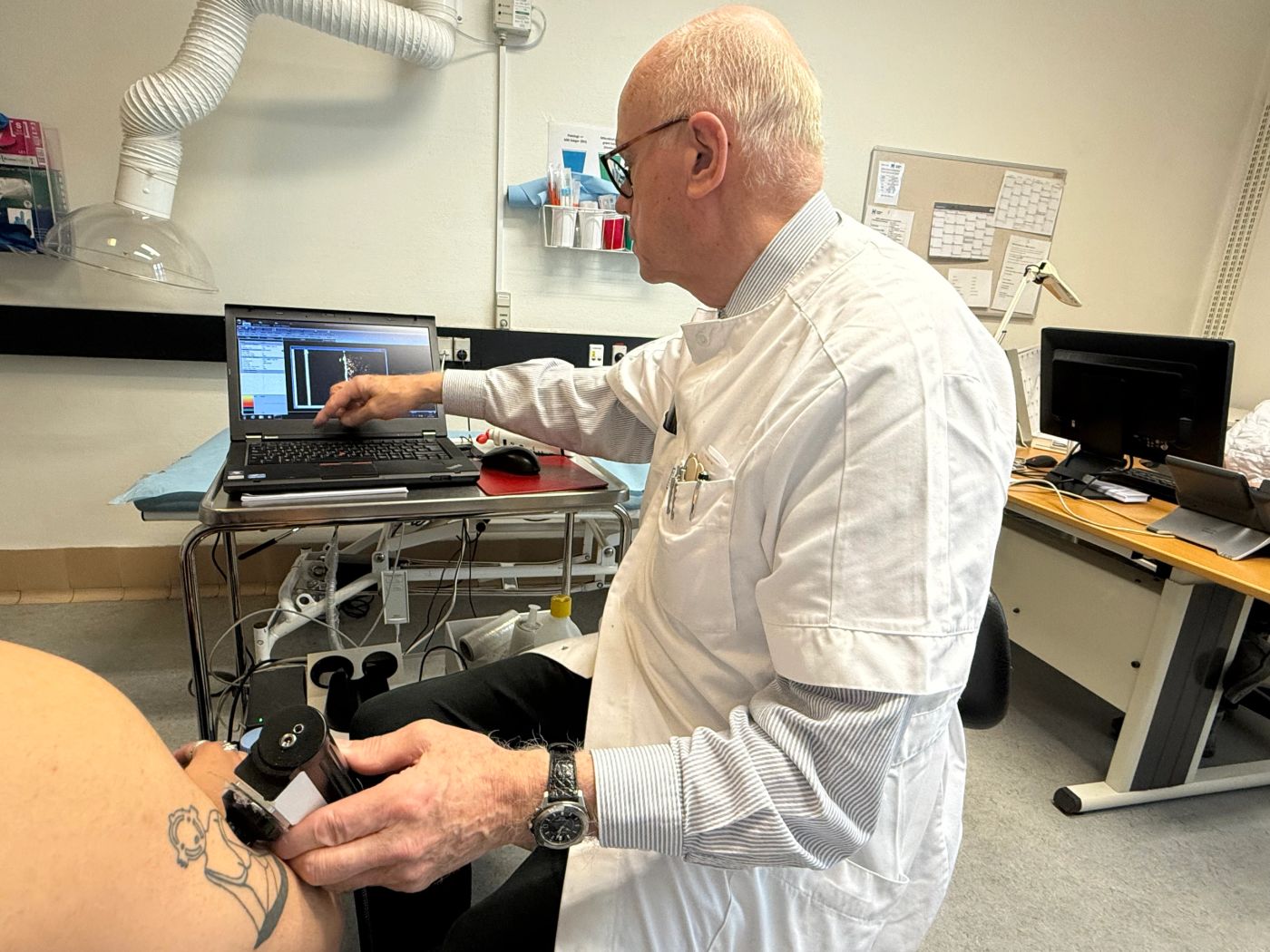
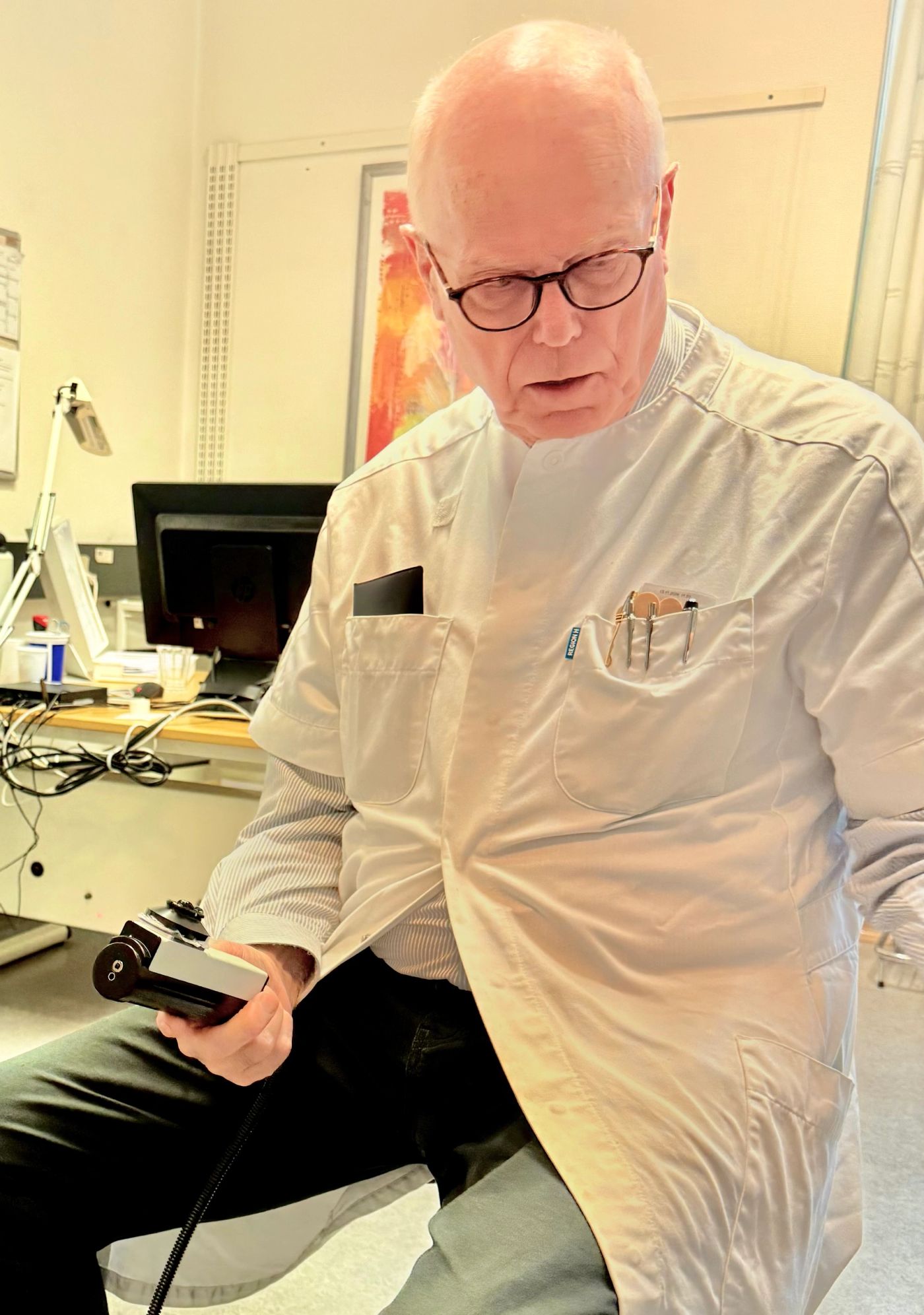
We saw about ten patients with tattoo complications. The majority of these had chronic reactions to densely-deposited black sections of their tattoos—sufficiently so to cause elevations of the ink that could be both seen and felt. He studied these lesions with a high-frequency ultrasound device of his own design, and biopsied two. He questioned the patients thoughtfully and thoroughly and spent more time with them than I do with my own patients back home. He’d lightened his schedule a good bit for the day, to facilitate discussion with me, and I appreciated the opportunity. And yet I also wondered about how a healthcare system could run in which a specialist in high demand and esteem sees a small patient load. His assistant seemed to have very little to do, and I was reminded about how I run my four assistants ragged in the clinic day after day seeing seventy patients with me. Of course the incentives, financing, populations, legalities and politics are all different between Scandinavian and American health systems, and so it ought to come as no surprise that life as a doctor would almost certainly prove quite distinct between he and I. How could it not? My initial guess is that Dr. Serup’s system encourages somewhat too little care, whereas mine promotes too much.
A few patients were prescribed prednisone; most received only superpotent topical steroids without much concern over their propensity to cause localized atrophy. One received a biologic drug called Stelara as the tattoo reaction was accompanied by other signs of autoimmune disease (arthritis and a kind of inflammation within the fat layer of the shins called erythema nodosum). All were asked either to call or present back for follow-up a few months down the road; however there were no X-rays, CT scans or blood work ordered. Only one referral to another doctor. And very brief notations in the medical record as to the visits themselves. I would have worked up several patients extensively for the possibility of sarcoidosis—a systemic autoimmune disease that can affect eyes, lungs, heart, skin and more, and that is associated with black tattoo granulomatous reactions—yet Dr. Serup refrains from doing so in the absence of organ-specific symptoms. It was easy for me to see how countries like Denmark spend so much less on healthcare than we do in the States.

I came away with a vivid impression of how the Danes, being a small and somewhat homogenous group with a long and storied history full of Vikings and folklore, are a happy and collective-thinking people. This comes across even in tattooing, where there was ample pride, professionalism, and a spirit of all being in it together. Ink on face and neck is not legal here (though you do see some), and so there’s a degree of conservatism in Denmark that’s largely missing in the U.S.—where split tongues, horn implants and scleral tattoos are becoming more and more the leading edge of what’s permissible and facial ink more passé. But I nonetheless found the Danish approach to tattooing to be refreshingly humane and personal. Not designed for shock value, just for freedom of expression.
We had a great time. Aside from some really pungent cheese, I certainly found absolutely nothing rotten in Denmark.