

What is reallyin your ink.
Tattoo inks can be black boxes. Here is what the science says about contaminants, regulation and the long-term safety of pigment in your skin.
The FDA regulates tattoo inks, right? Wrong.
- MYTHThe FDA has not approved any inks for skin use.
- MYTHThe FDA does not regulate tattoo parlors. It only monitors problems after they happen.
- FACTInks can include pigments from auto paint and plastics, and ingredient lists are not mandatory.
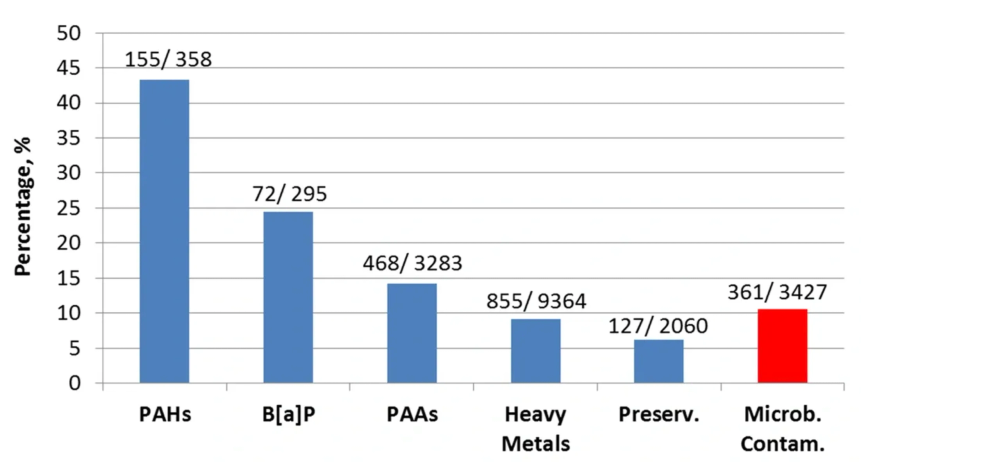
- FACTMore than 200 colorants and additives are in use. Contaminants include heavy metals, PAH, PAA and nanoparticles.
- FACTBreakdown products in the body or from sunlight can include toxins and carcinogens.
Brands that show their work
Intenze, Fusion Ink and World Famous Ink list their ingredients, are vegan, and test to ensure the absence of heavy metals, carcinogens and microbes.
Improperly produced inks can carry bacteria
The FDA monitors inks in several ways. In 2019, six inks were found to be contaminated with pathogenic bacteria and were recalled.
On June 12, 2023, the U.S. Food and Drug Administration issued draft guidance on how ink manufacturers can avoid bacterial contamination.
FDA advisory on contaminated tattoo inks
FDA draft guidance on tattoo inks
Photodegradation of pigment and lymphoma risk
A 2024 study of a Swedish cancer registry found an increased risk of lymphoma after tattooing, by far the highest after laser tattoo removal. That suggests rapid pigment breakdown produces large amounts of carcinogenic byproducts.
The baseline increase for having tattoos that were never lasered was much smaller, around 20%, and is likely tied to gradual breakdown from the sun. Sun and lasers create the same byproducts at different rates.
The takeaway: protect your ink from the sun, and do not laser colored pieces.
Questions about your ink?
Book a consultation with Dr. Kerner for a flat $50, follow-up included, or send a question to the Q&A forum.