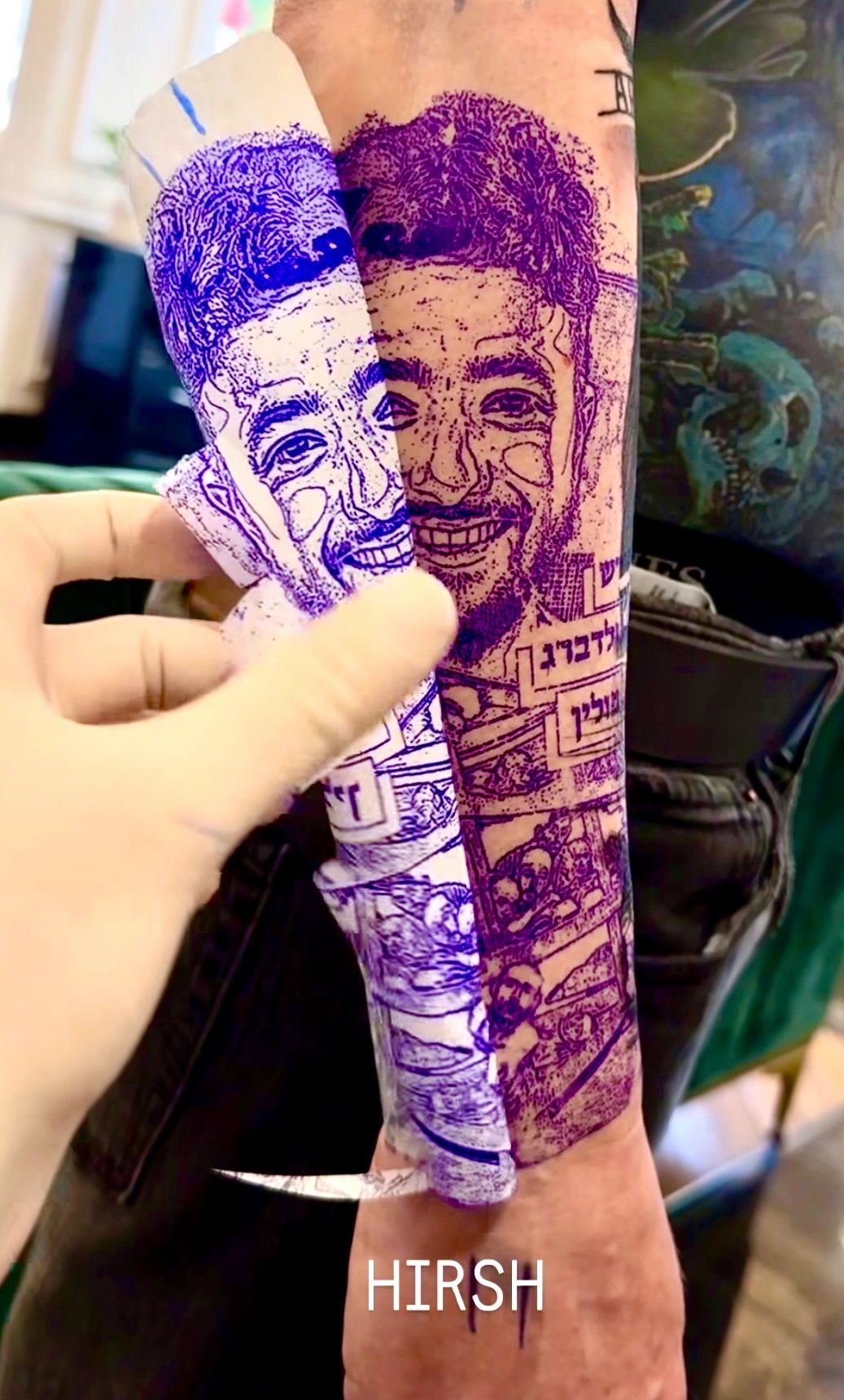
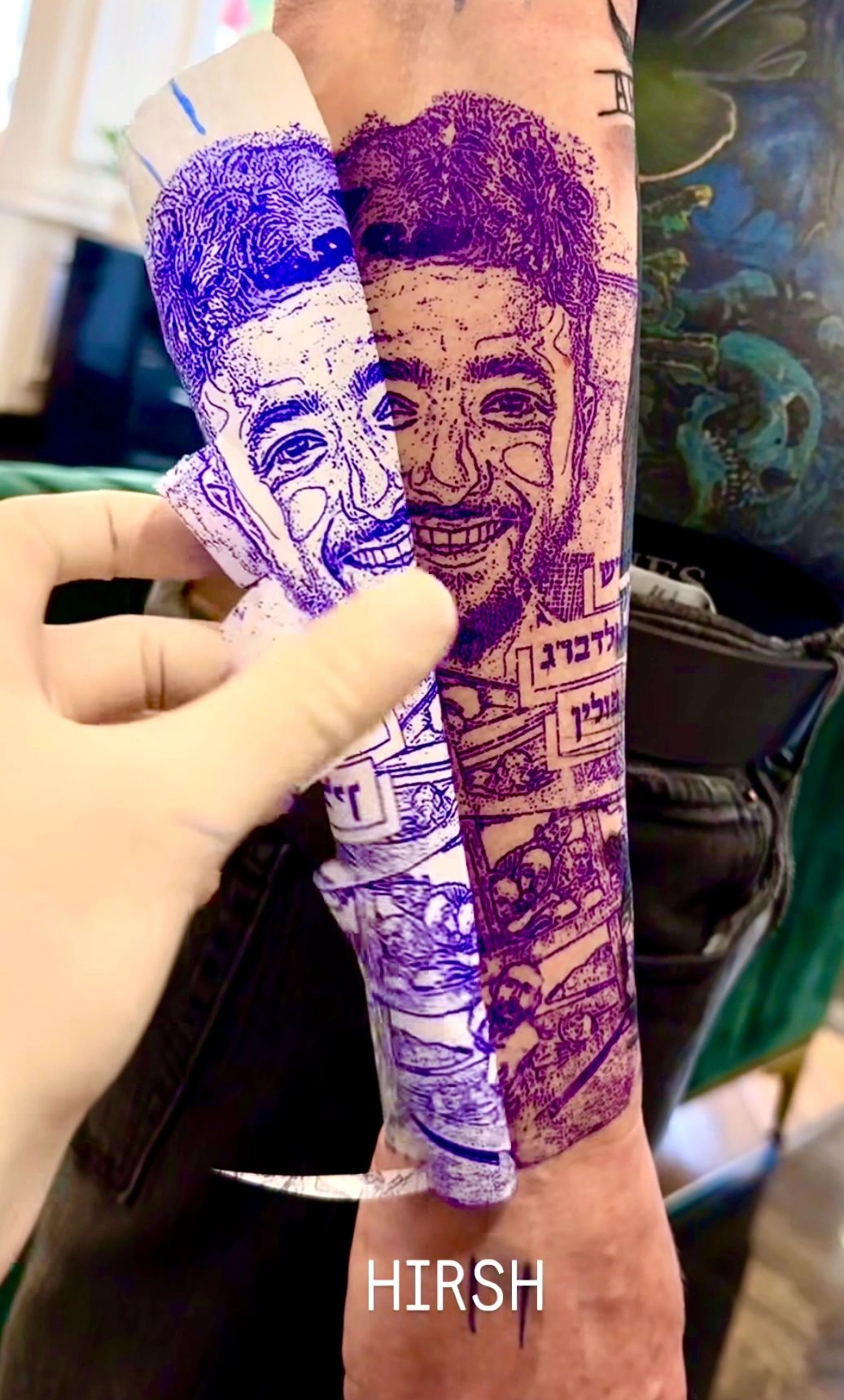
Hersh is, finally, home. He had been a hostage—not a victim—and wasn’t supposed to be part of my arm sleeve honoring the fallen. But then, after almost a year in captivity and with part of his left arm having been blown off at the Nova Festival attack, he was murdered in a dark and stifling tunnel by Hamas gunmen. His body was discovered while I was en route to Israel; his funeral was ongoing at the very same time I was getting his likeness tattooed on my arm. And so there’s something of a date-stamp on my arm sleeves: one that can never be separated from the chronology of the events on which the inked images are based, images permanently rooted to a very specific tragedy and a very particular time.
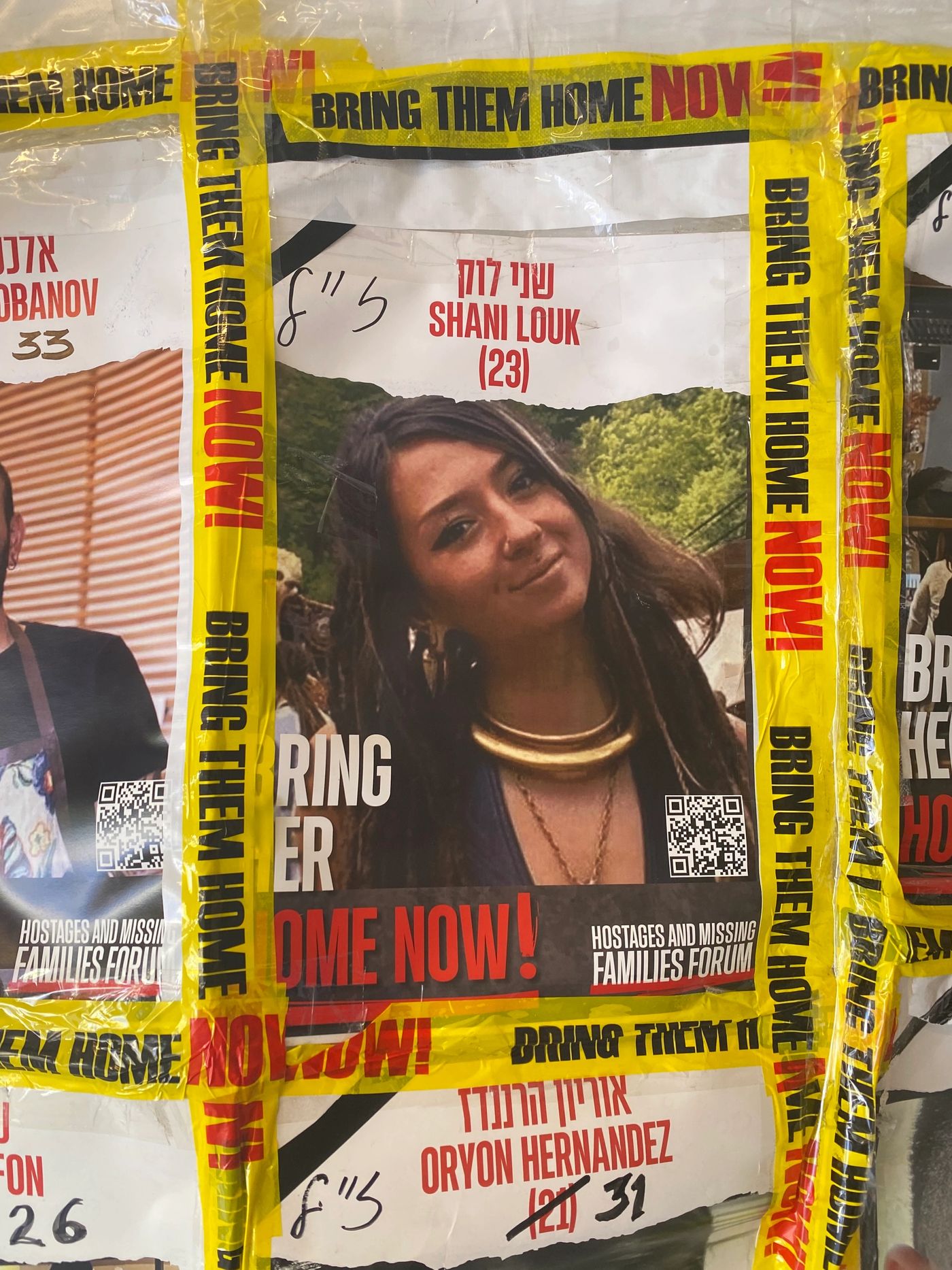
Shani Louk is on my arm, too. She was an up-and-coming tattooist. Her murder, along with those of Steve Markochenko, Alitia Levin, and Yoram Bar-Sinai, took place almost a year ago, on 7 October. The reality of these people is, of course, nowhere more apparent than in Israel: my artists knew some of them; posters of them are everywhere (and not at any risk of getting torn down). Perhaps if the protesting college kids on America’s elite campuses, the ones who do tear down posters of the hostages, actually knew them, too, they might not be so quick to shout “by any means necessary” or “we hold Israel accountable for all unfolding violence.” One hopes.
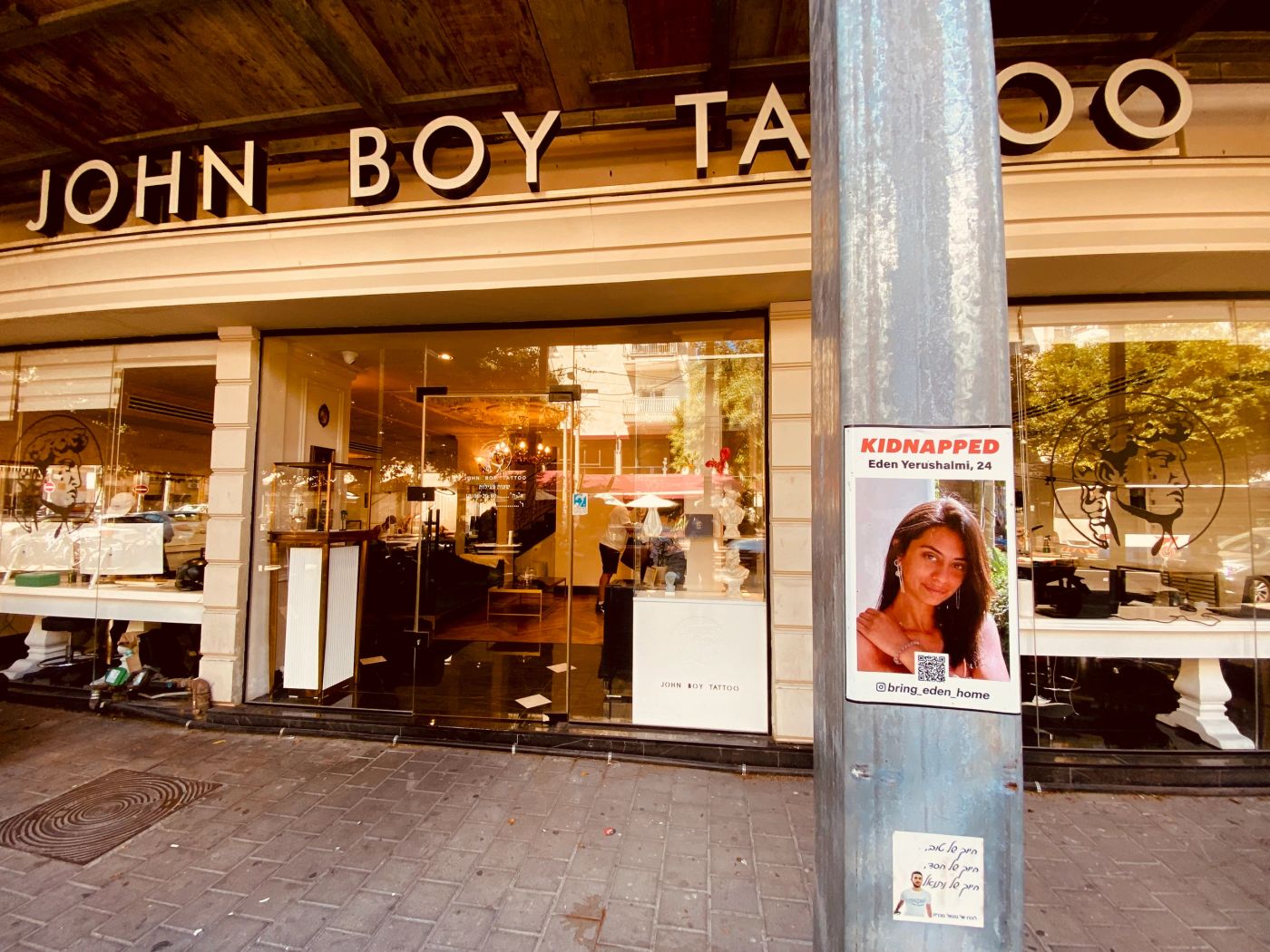
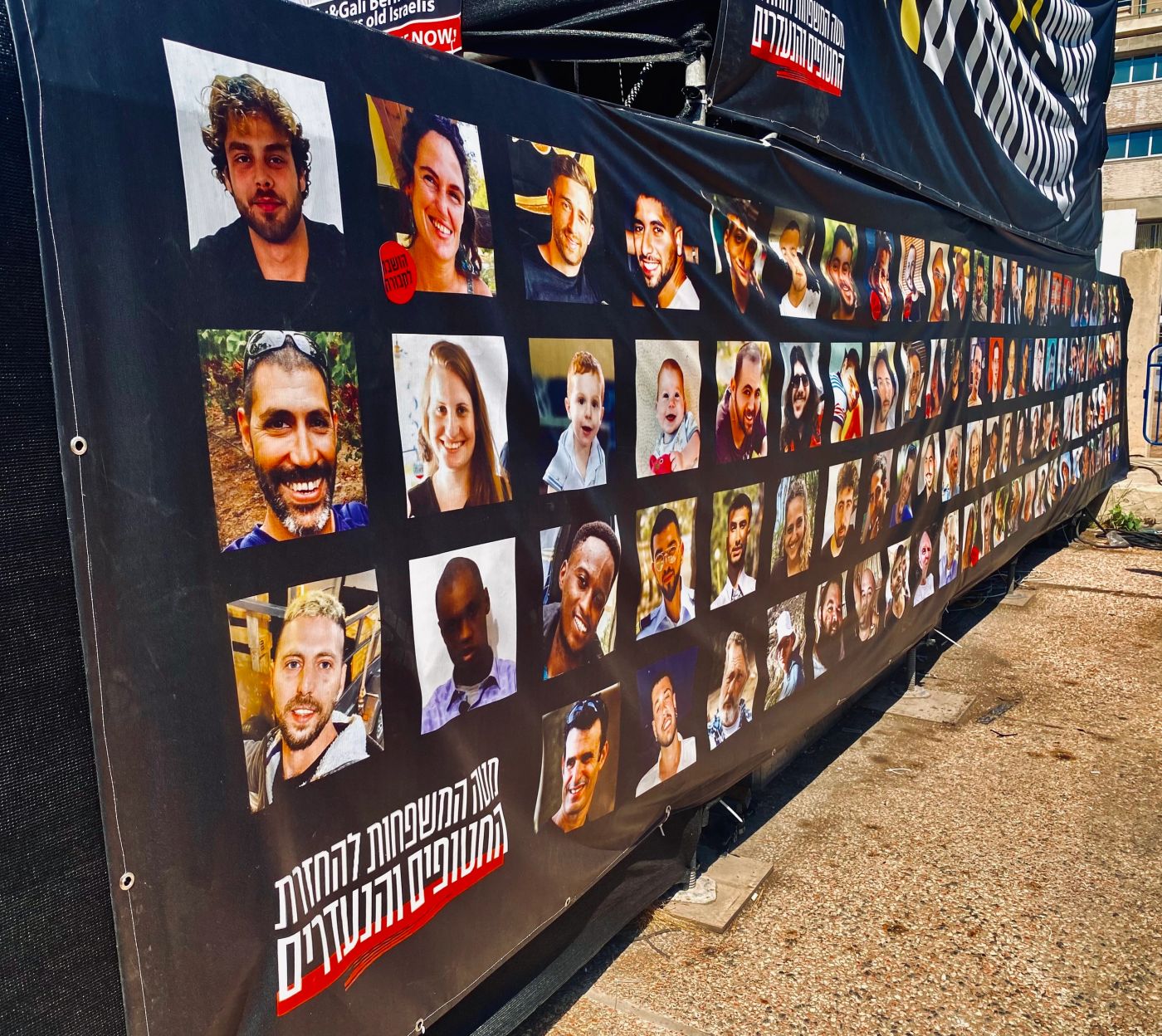
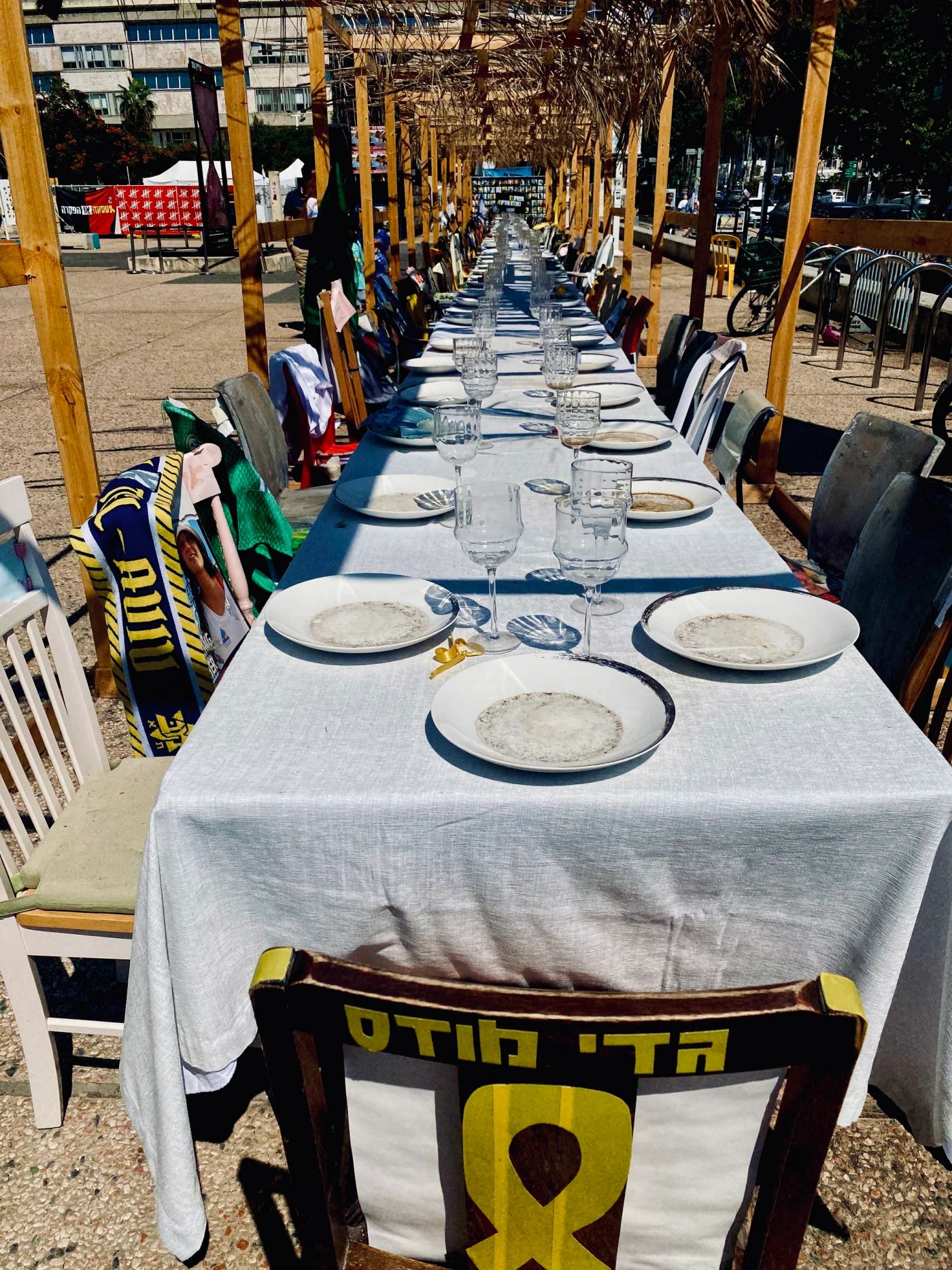
I’d never been to Israel before. My secular childhood and parental travel reluctance combined to keep Israel largely out of sight and out of mind. Yes, I’d had some interest in going for many years but there was no sense of urgency and there was always just enough unrest and violence in the Middle East to put off visiting. Sure, I’ve always been a supporter, in an academic sense, but not until the last few years—and especially after 7 October—did I become emotionally involved. And so when I arrived at Ben Gurion Airport, having had to reroute to El Al from Europe, I felt I was finally home, home after almost sixty years of largely self-imposed exile. It was just me and my old friend, Gil, who’s a dual citizen and whose daughter has lived in Israel for several years.
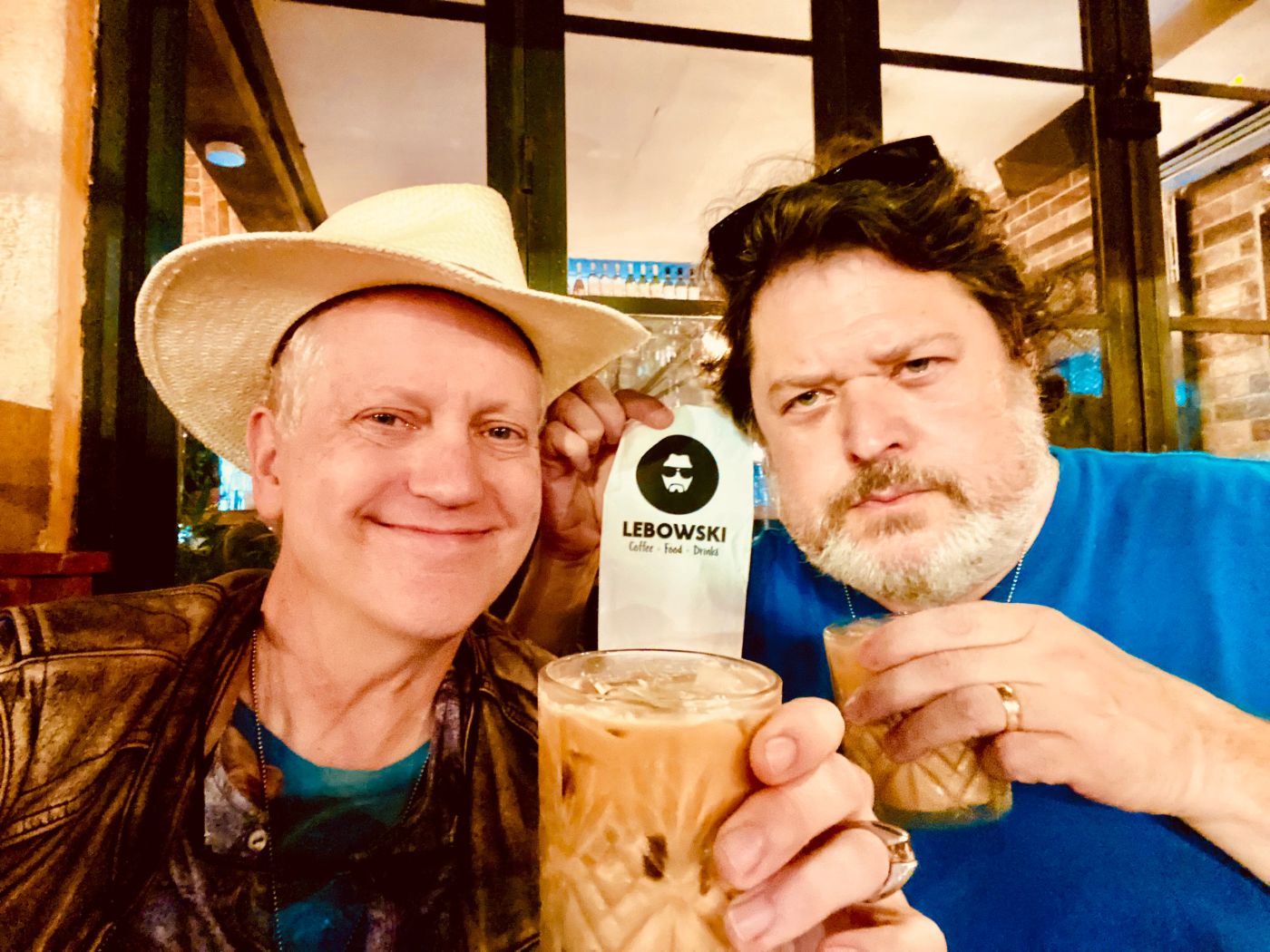
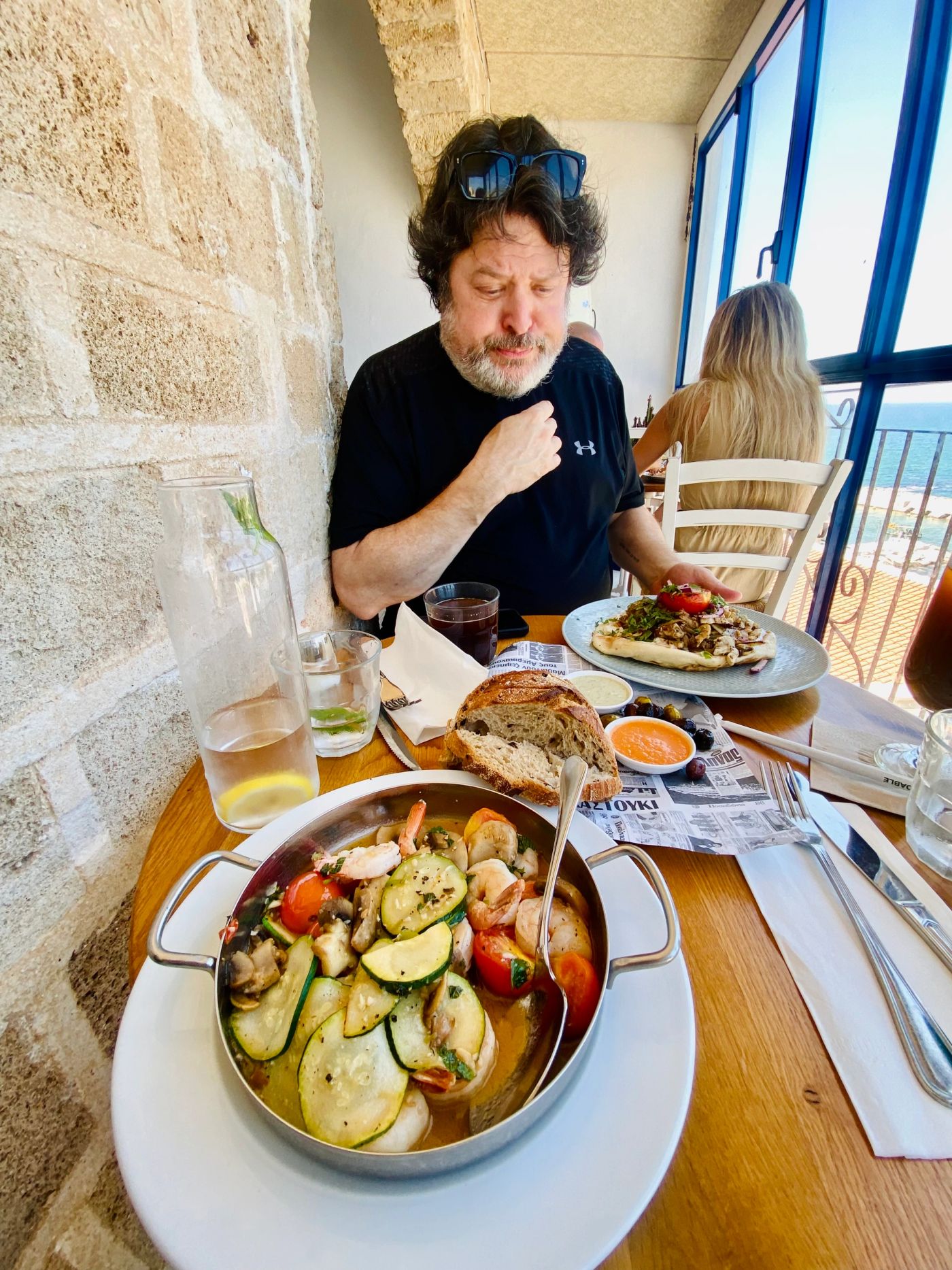
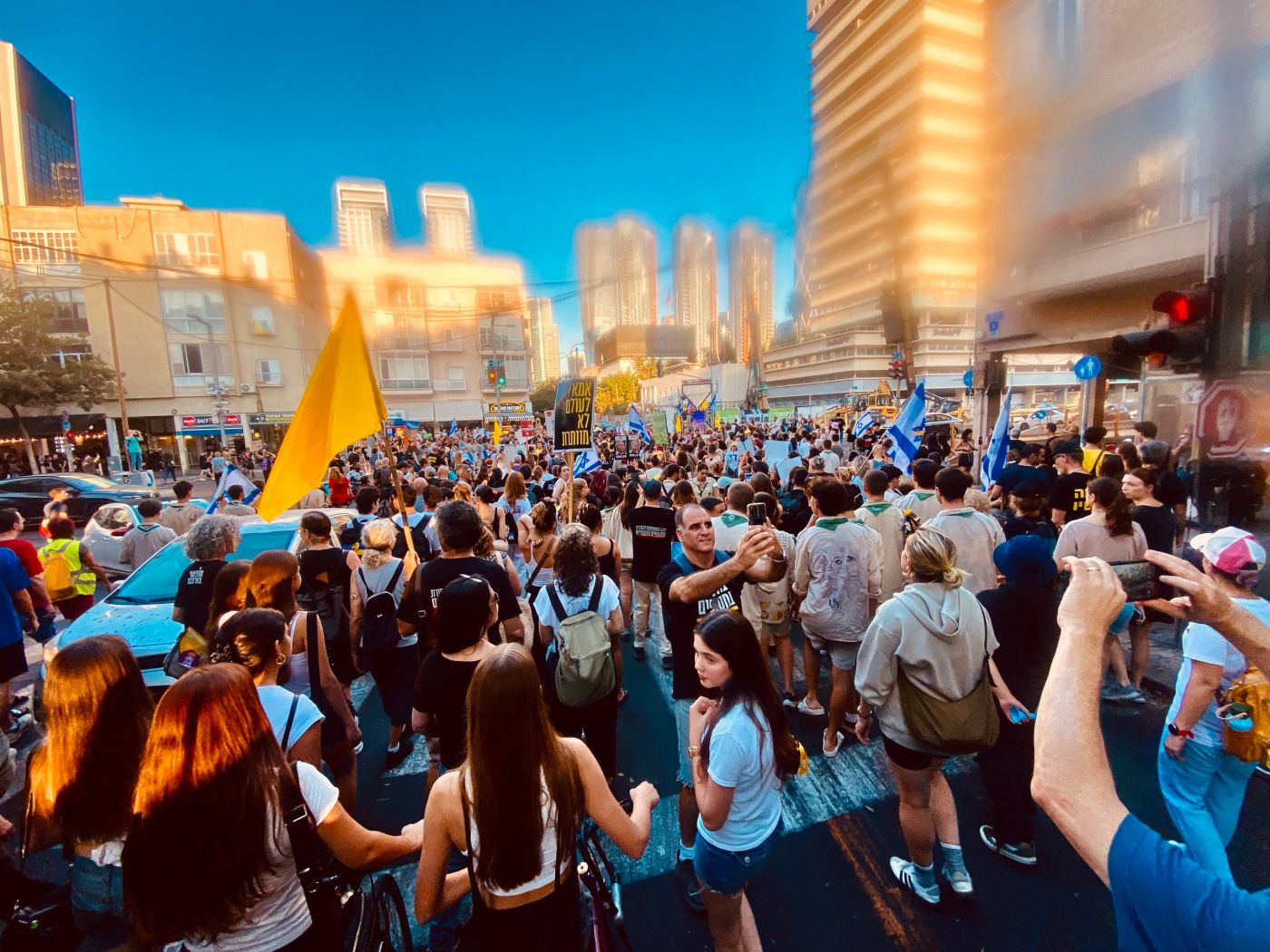
In Tel Aviv you’d almost not know a war’s going on. Kids are playing volleyball on the beach; cranes tower above dozens of construction sites; the bars and restaurants are bustling. The economy is in rough shape but you don’t see it much as a tourist. You also don’t see how deeply divided the country is unless you go to a protest. Which I did, on my first night, and as an observer more than anything else, as I have mixed feelings about making absolutely any concession to get the hostages freed. At the event—which numbered over 400,000 protesters–I had no ambivalence whatsoever about the people in attendance. I was moved by their unity, their devotion to those left behind, and the peacefulness with which they demonstrated. There were no cars overturned or set ablaze, no buildings demolished, no businesses looted, no police assaulted. Clearly this is a more civilized country than mine: a caring place where there are far fewer than six degrees of separation between a tattoo artist in Tel Aviv and a peace-loving attendee murdered at a rave in the Negev Desert. Maybe no degrees of separation at all.
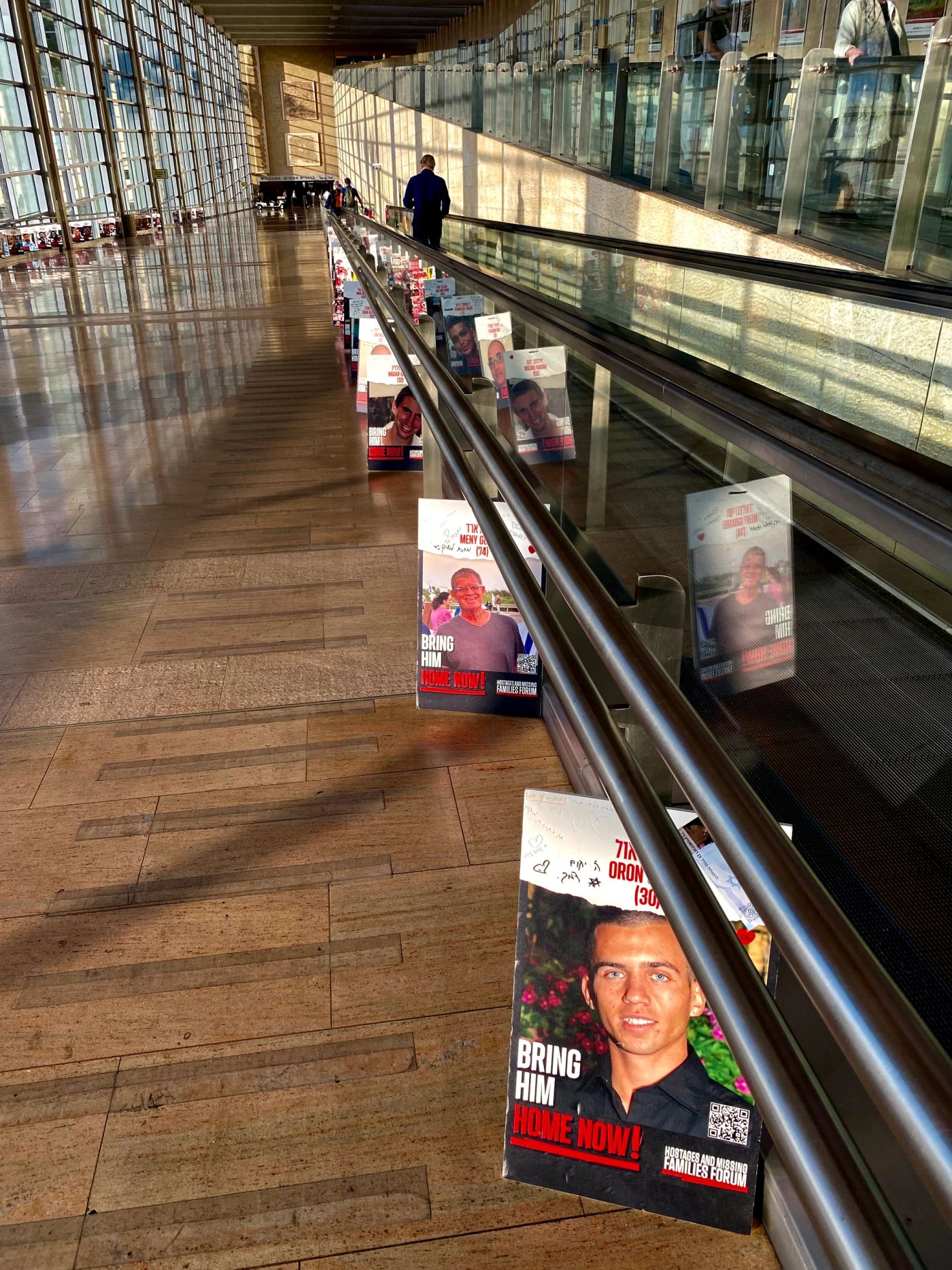
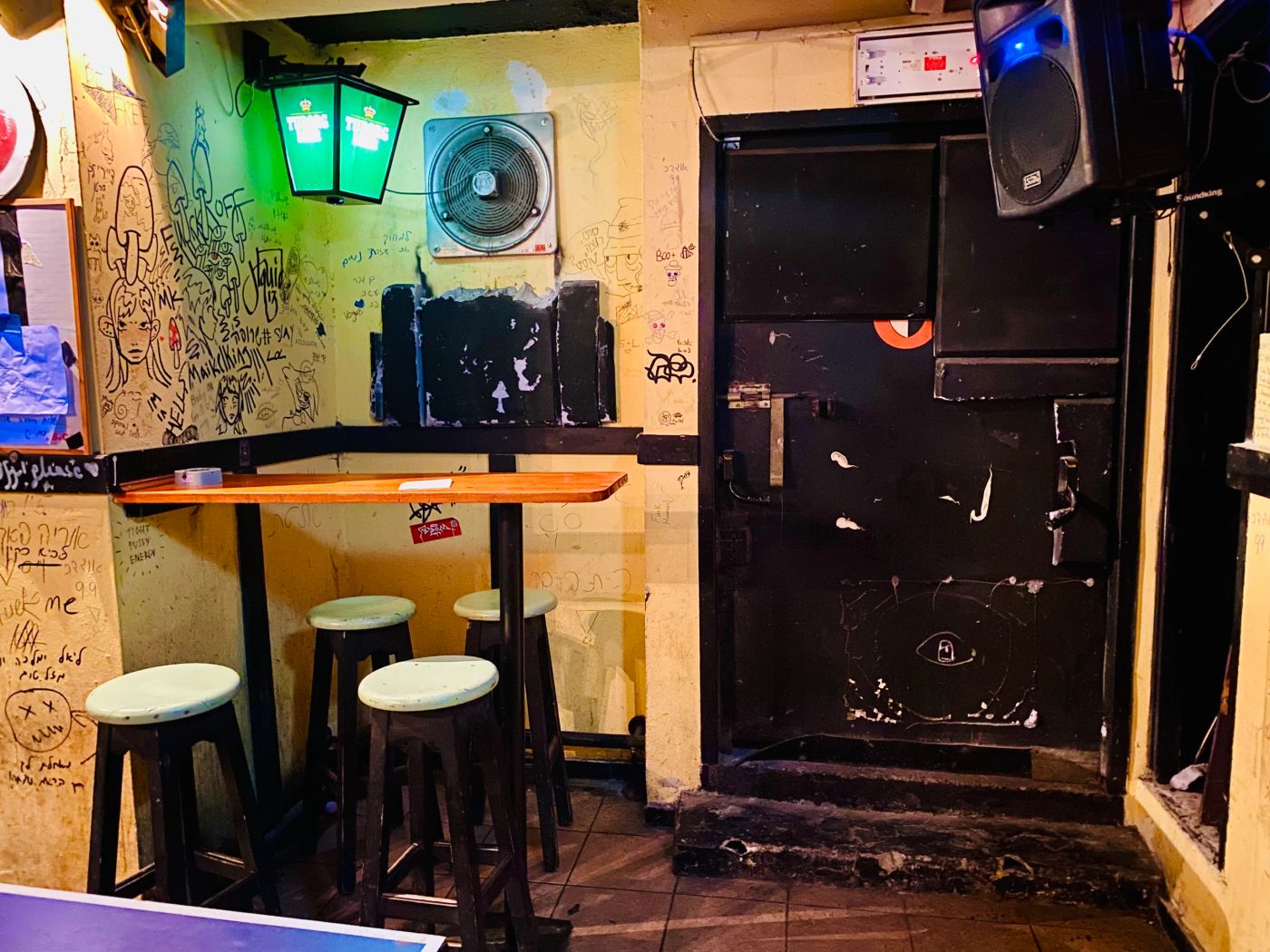
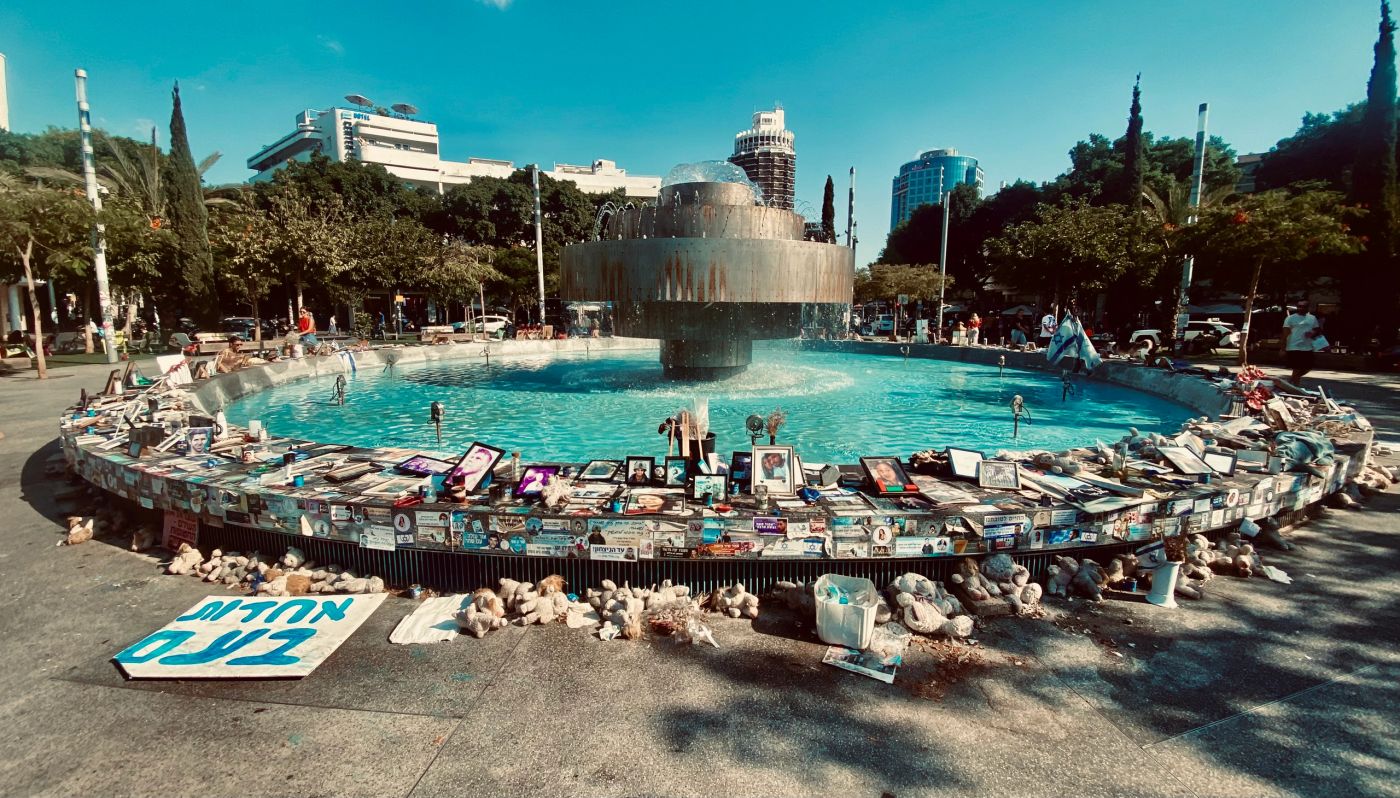
There are things in Israel that are ubiquitous and normal, at least to the Sabras (natives), but foreign and concerning to us foreigners: municipal bomb shelters all over the city; reinforced safe rooms in almost all houses and apartments and even in the bars; patrons in shops standing around or sitting nonchalantly with automatic weapons; spontaneous memorials to the captives and dead all over the city. There’s a constant reminder that Israel, the size of New Jersey and surrounded by enemies, is always only one defeat away from oblivion. How normal the place feels—despite this harsh reality—is an incredible testament to the heart and soul of the people, and I’ll forever be impressed.
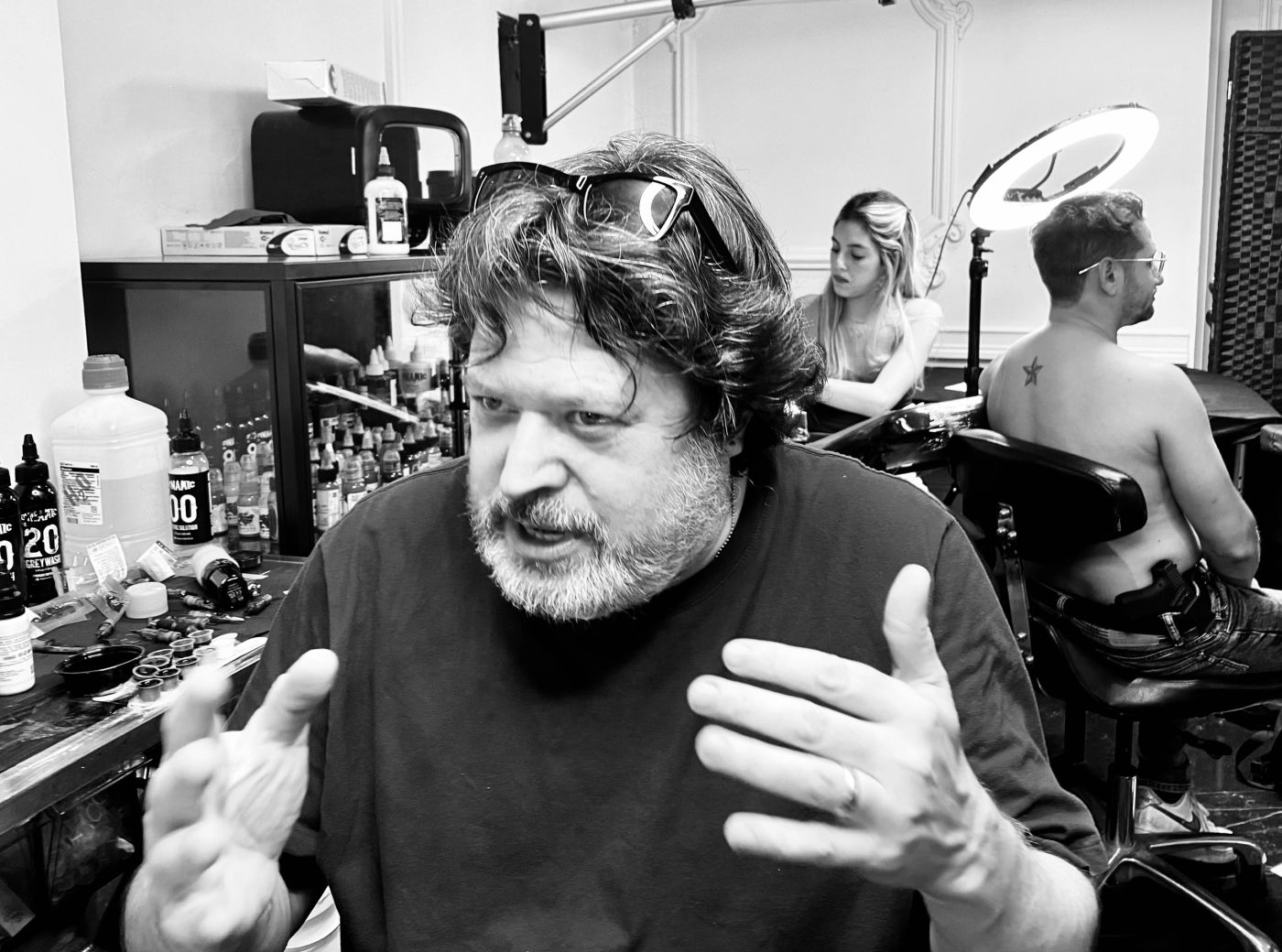
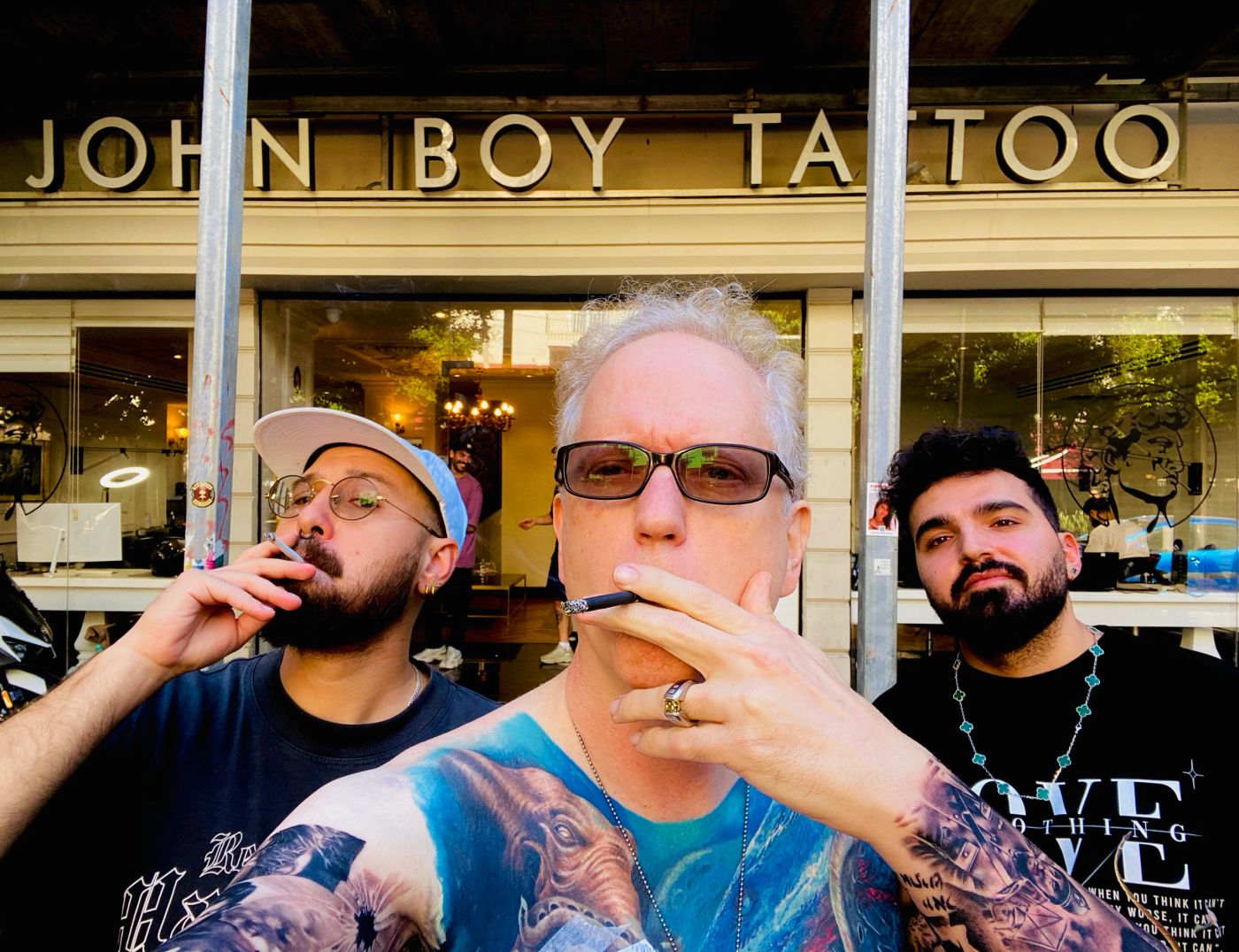
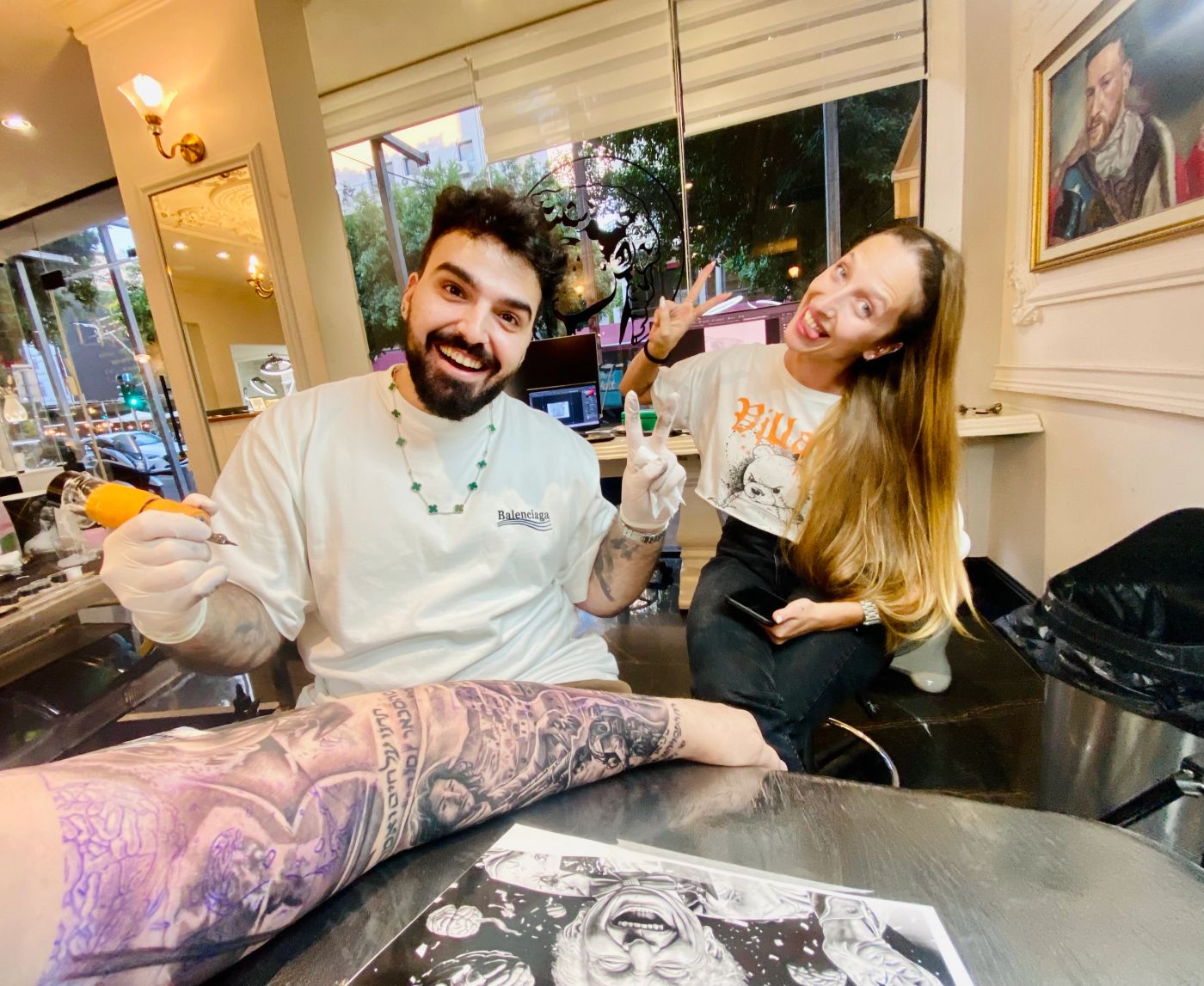
I’d booked three artists at John Boy Tattoo in Tel Aviv. For months I struggled with AI and Photoshop to create hundreds of images of Jewish heroes, the best creations of which to be set on a matrix of Torah scrolls, for my left arm; and scoured the internet for photographs of victims of the Holocaust and 7 October, on a matrix of torn skin, for my right. This was a big deal for me and for the artists, too, and so there was no way I wasn’t going, no way I’d postpone or cancel, war or no war. Too much of my identity was wrapped up in this project to delay or back out. And at any rate I’m something of a determinist; what will be will be, and in this case I survived the trip unscathed, while Jaime, who’d remained home, slipped in the bathtub and ripped her foot open on the drain plug. So she was getting sutured in an ER in Las Cruces while I was getting needled in a very different fashion in Tel Aviv. What will be will be.
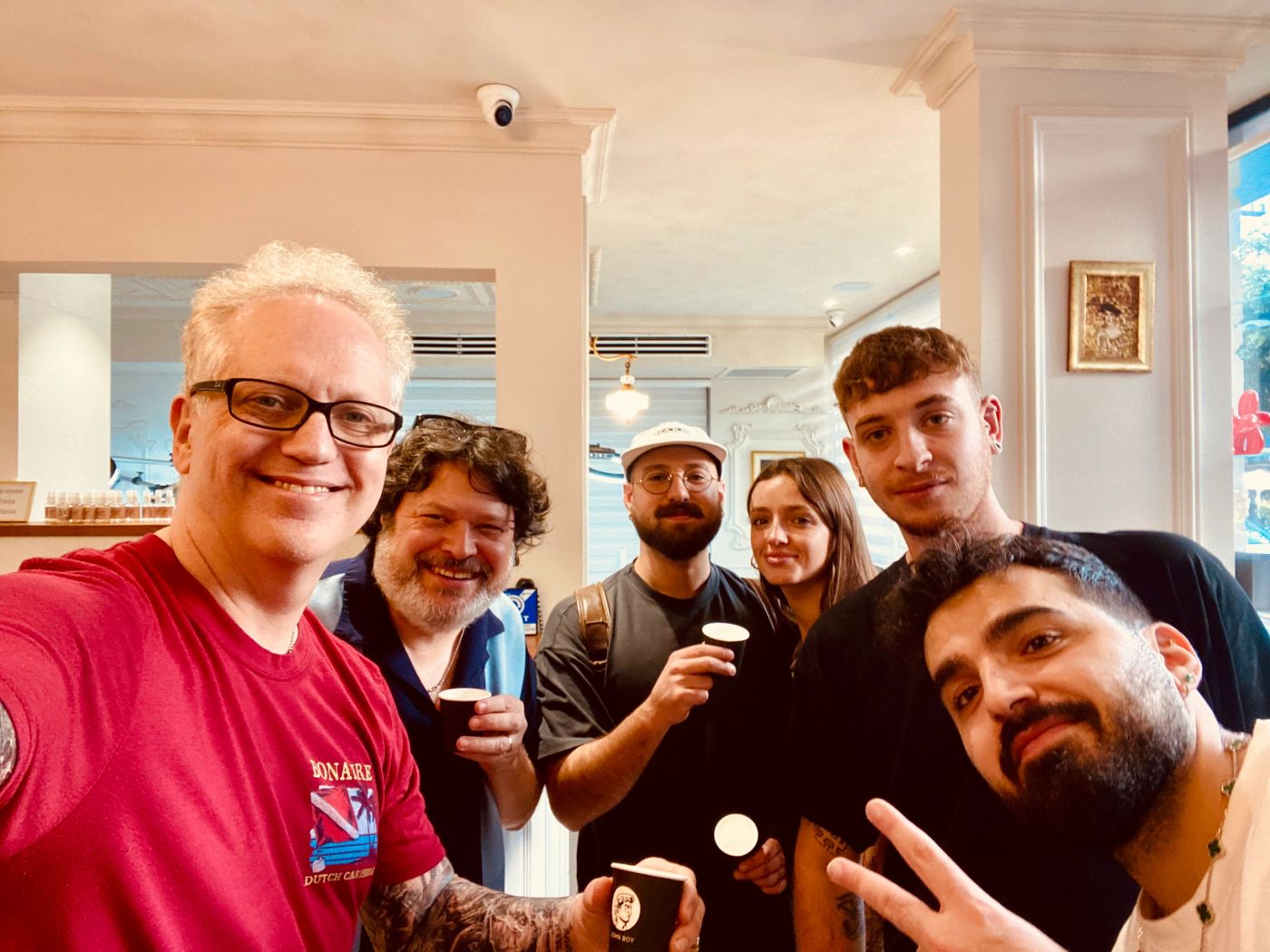
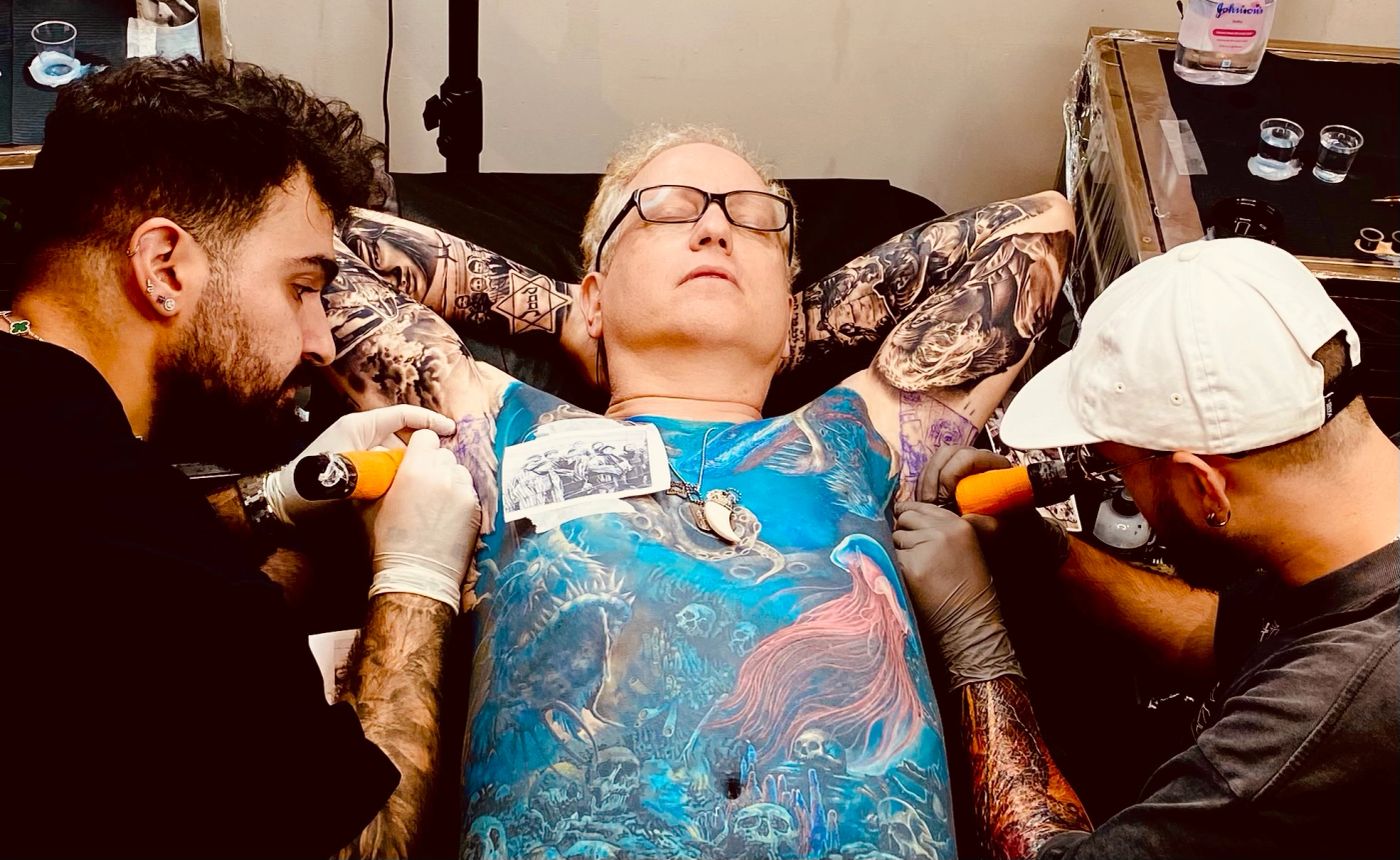
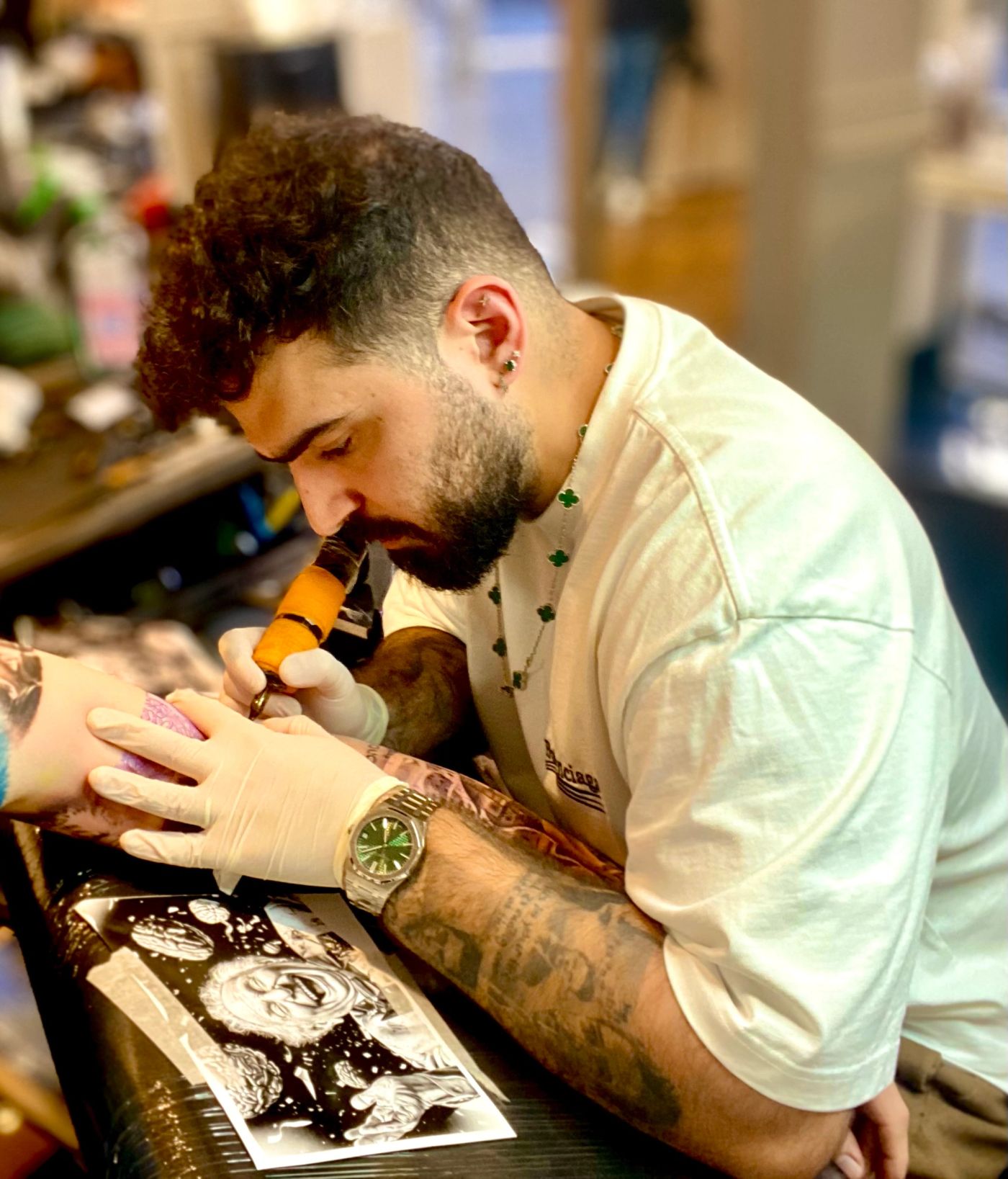
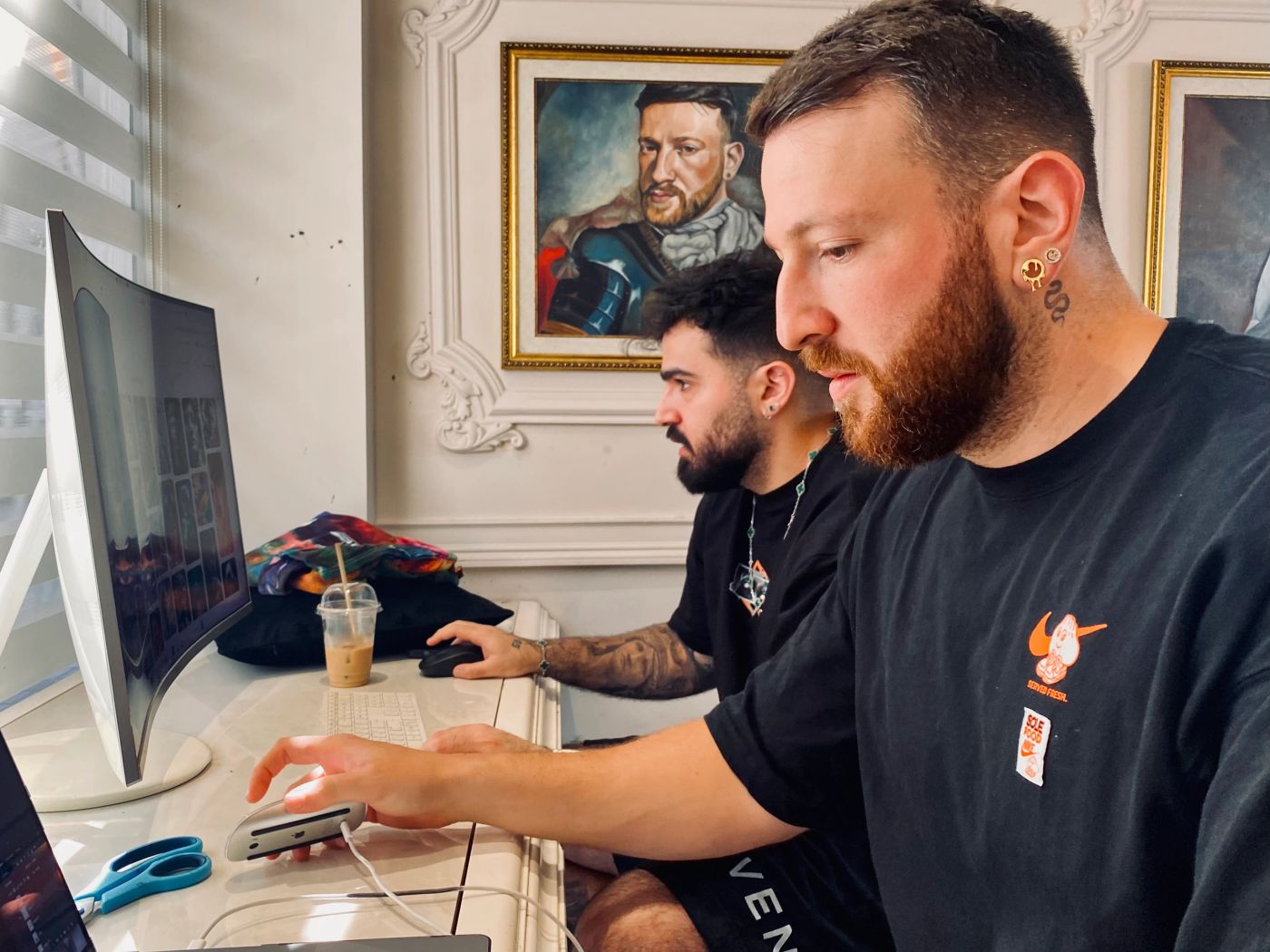
There were unavoidable travel problems among the three artists—Dani Ginzburg, Yehonatan Chen, and Yan Korchak—but all managed to contribute over the week. Two worked on me at any given session save for the last day. The studio has three centers and close to twenty artists; everyone was friendly, inquisitive and amused by the American dermatologist/ tattooed man from the circus. All of these Israelis exhibited humor, grace, and heartfelt emotion as they worked on the inking or watched it all unfold. I made a lot of new friends over the course of that week.
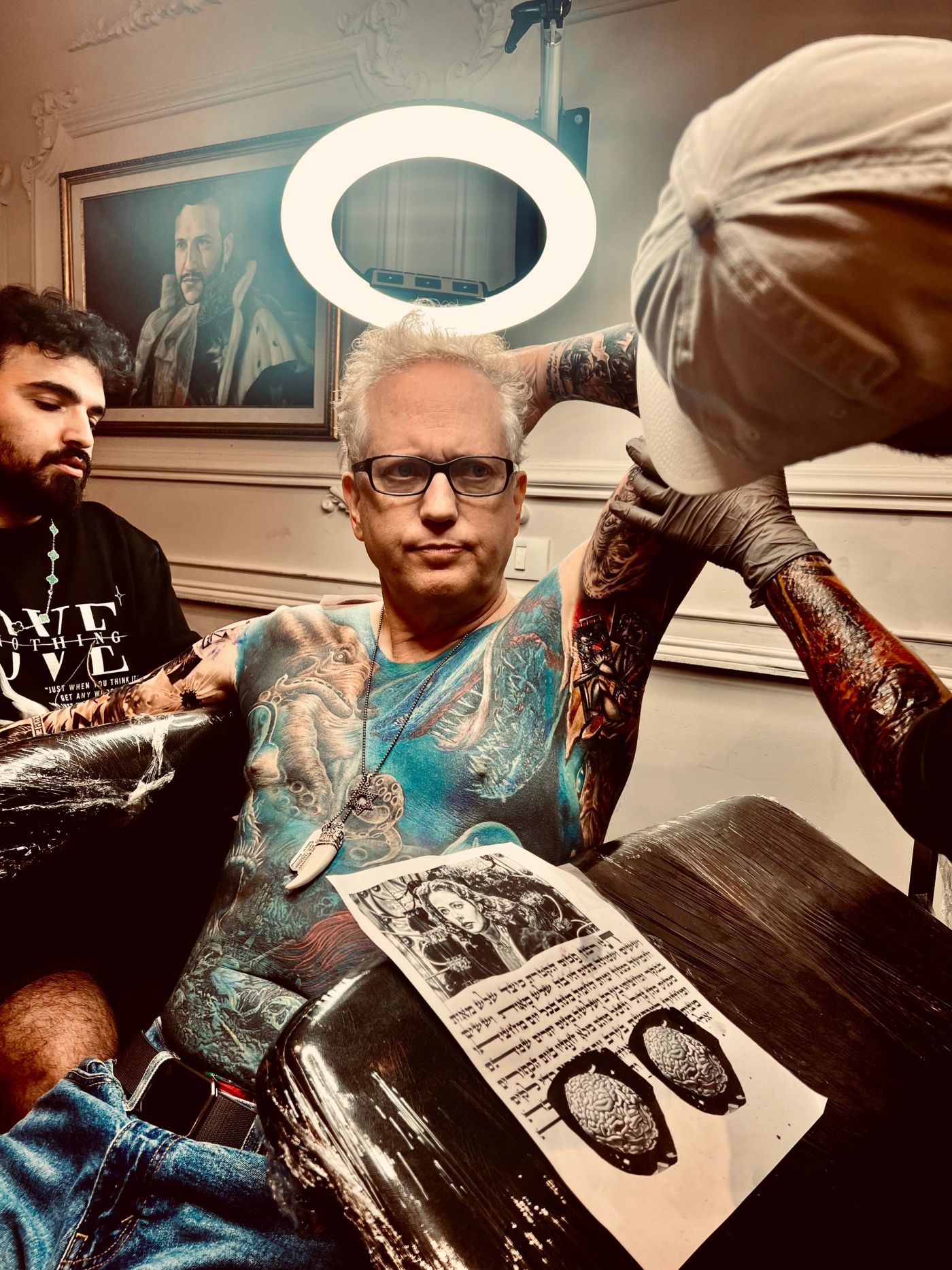
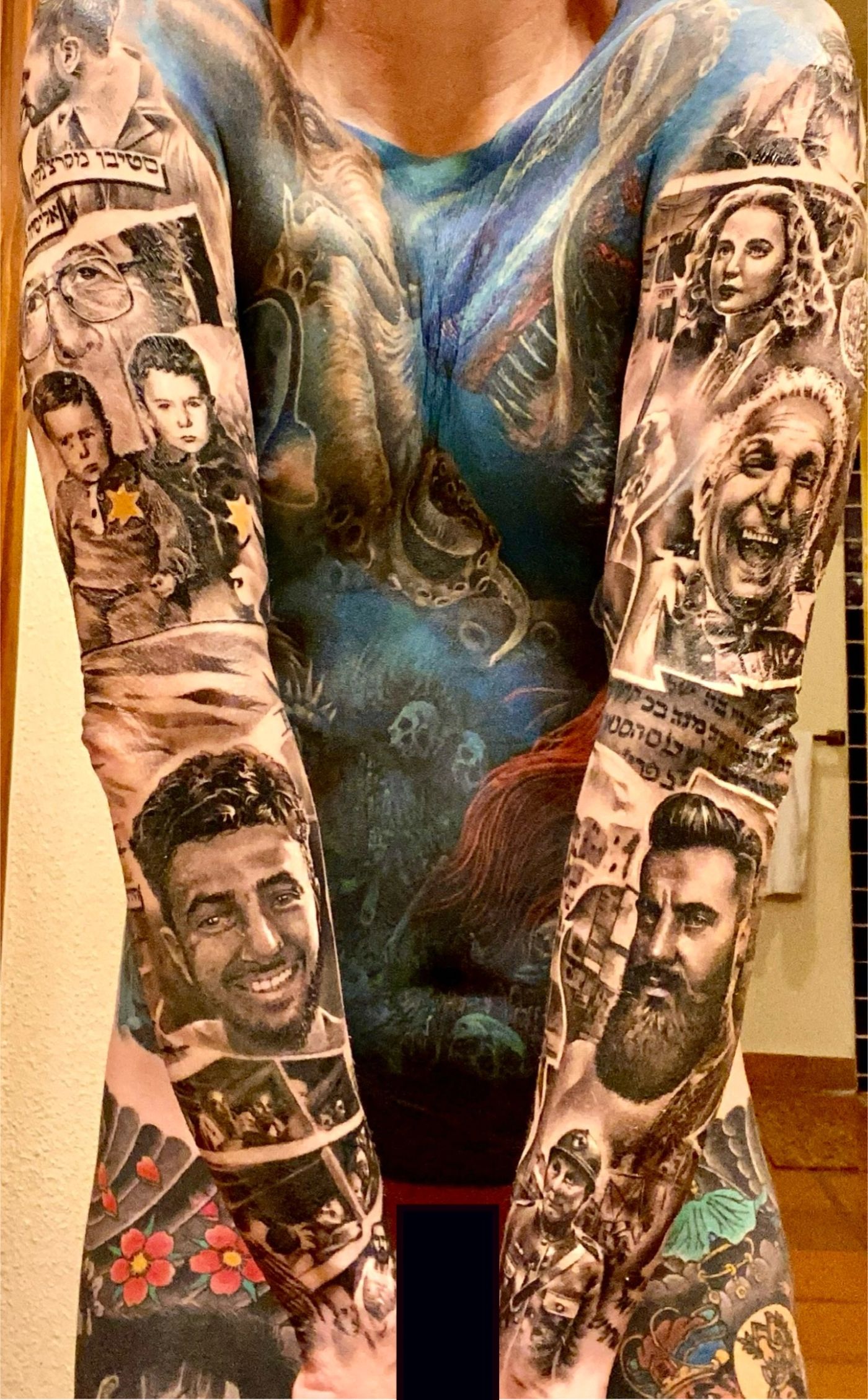
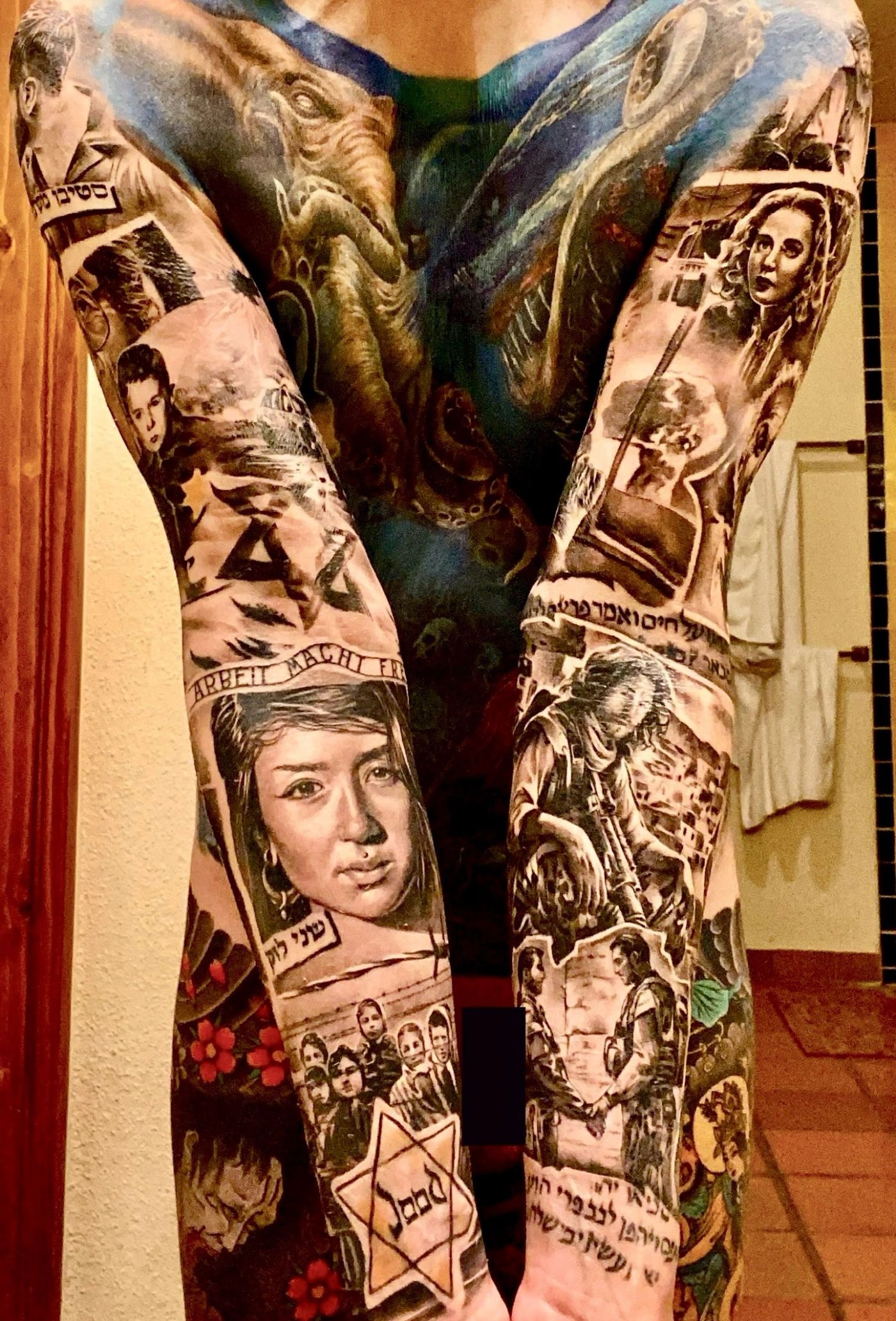
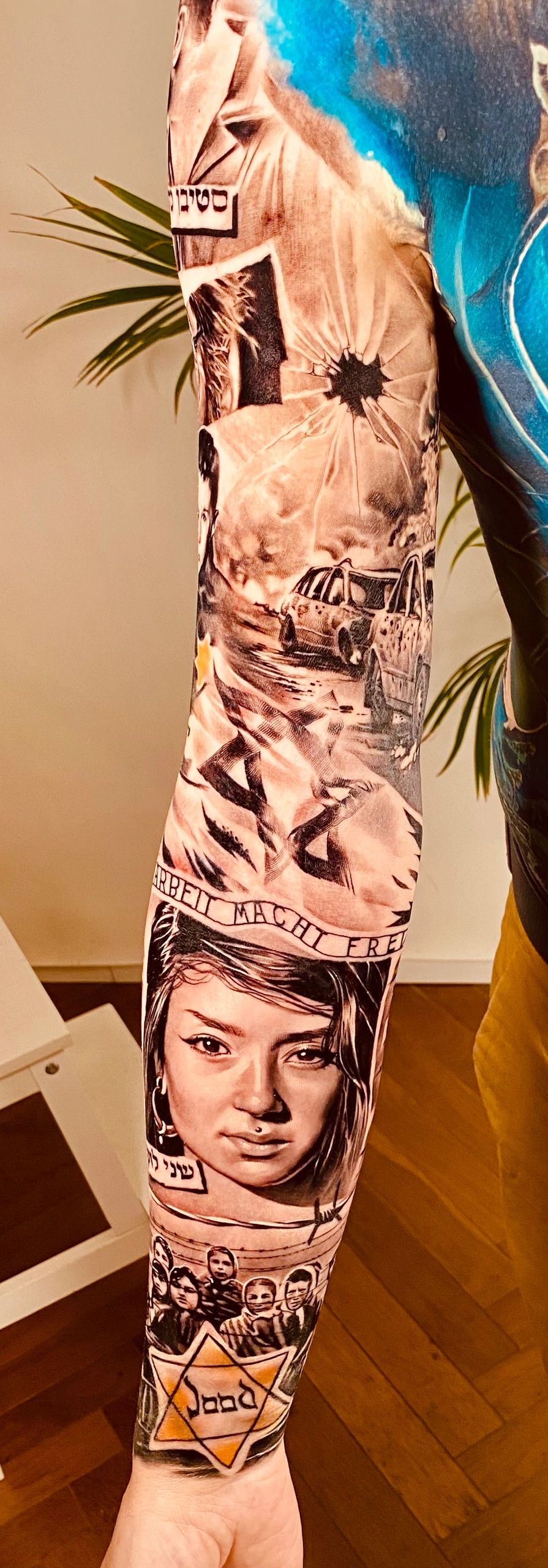
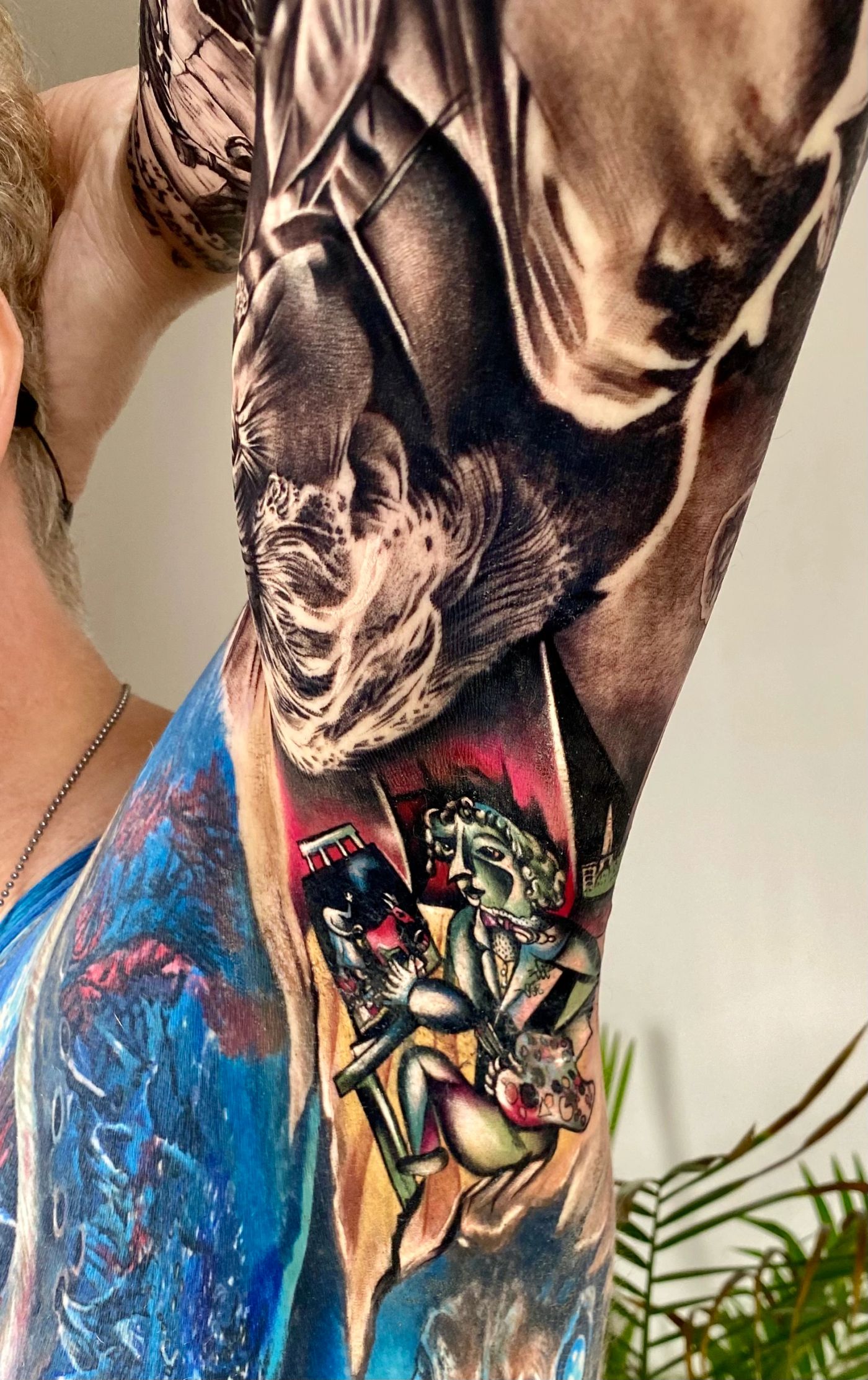
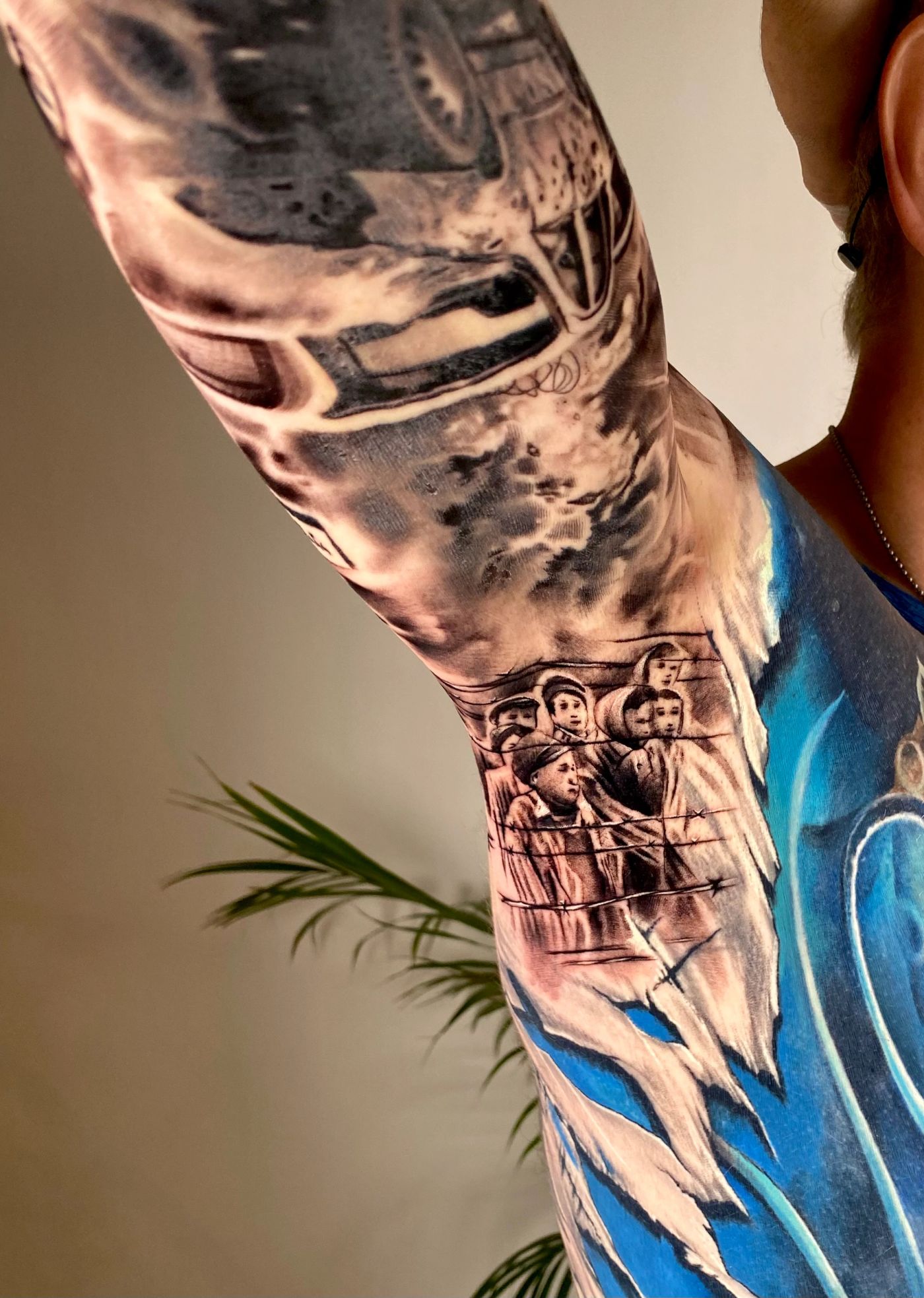
The work is almost all grayscale. The artists and I all felt this was appropriate for the subject matter, and many of the reference photos were black and white anyway. The only color is a mustard yellow for the Star of David badges appearing in two places; and the Chagall self-portrait, which is rendered with an accurate palette. Both of these exceptions felt right, too, though there were extensive deliberations beforehand—after all, Jews like to disagree! (Why do you think Israel, a modern democracy, has no constitution?)
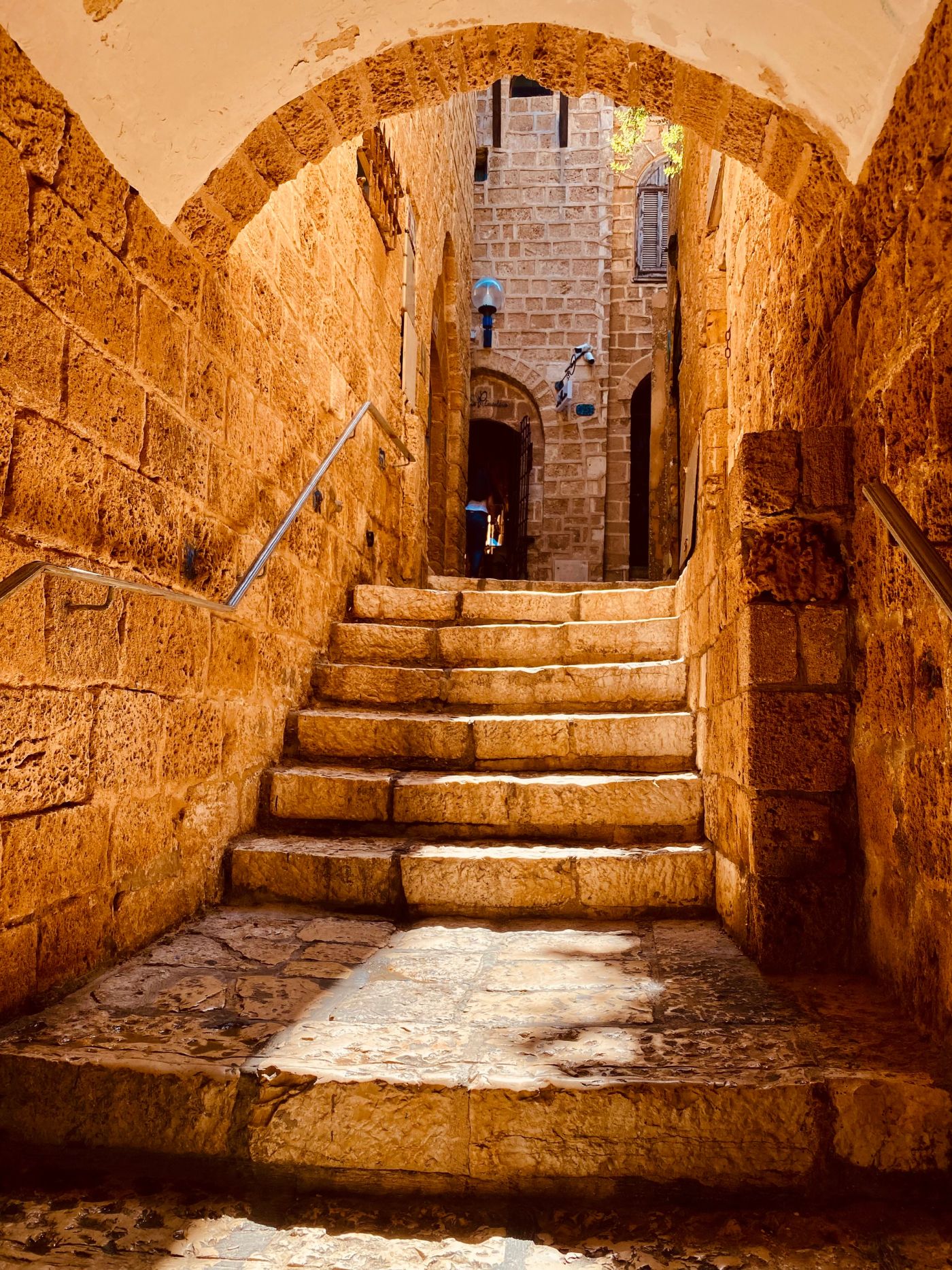
Sightseeing was limited to two days. The enormous beach and the bars and the innumerable outdoor cafés were all lively and enjoyable. It was impressive to see how life goes on in the midst of existential threats in almost all directions.
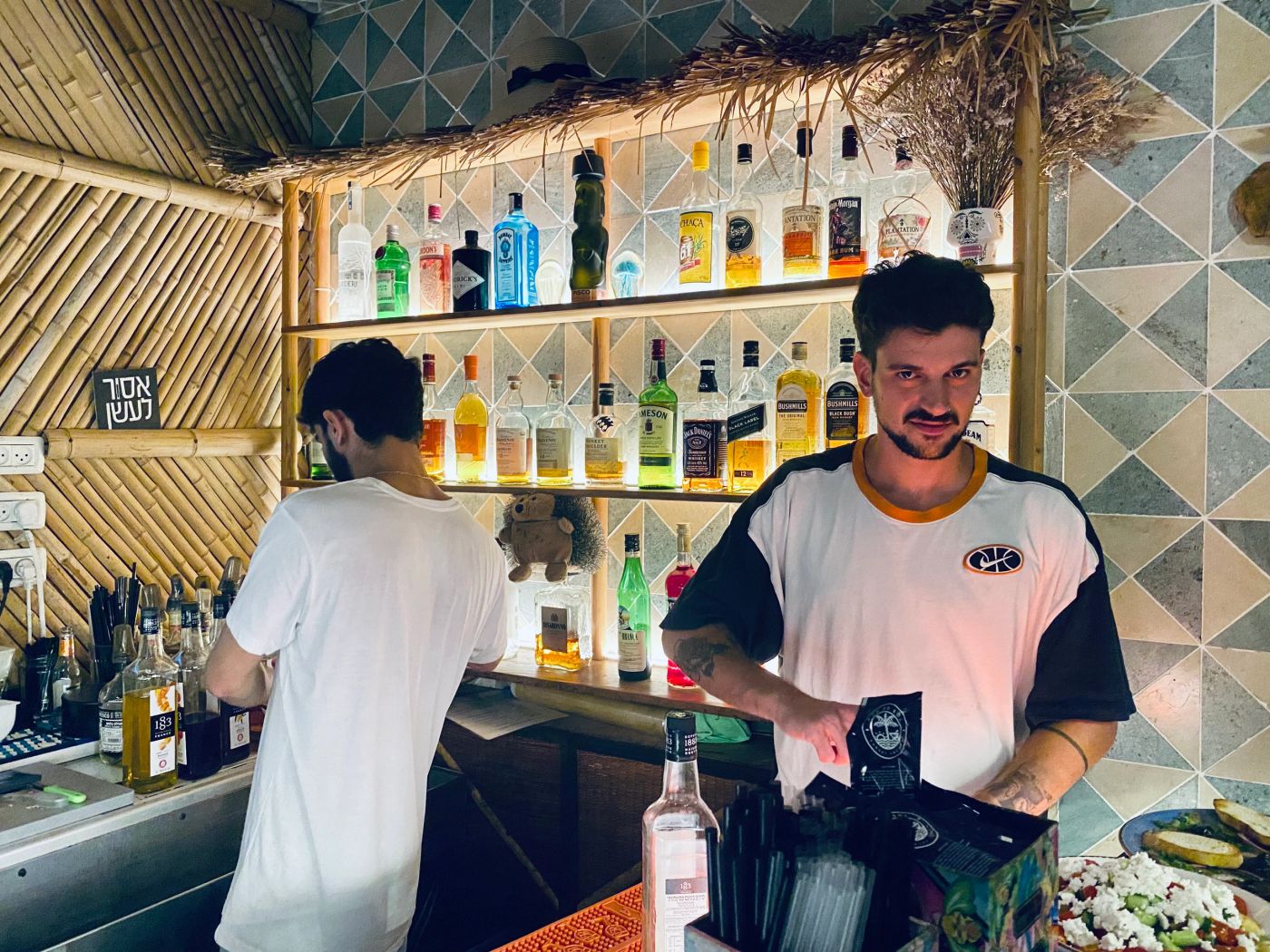
It was an honor to show my ink to people I met, and an even greater honor to learn that family and friends of some of those depicted on my skin were shown some of these commemorations—and approved wholeheartedly. (I’d been worried there might be objections and I’d feared causing pain to those who’d already suffered far too much. So it was a big relief to learn the tattoos were well-received.) The stares from Israeli strangers, people filing past my bared arms on the El Al flight from Tel Aviv to Paris, told me that no context was needed to explain these sleeves. They speak for themselves, and for the dead.
My arm sleeves are dedicated to Hersh Goldberg-Polin, Shani Louk, Elisia Levin, Steve Markochenko, Yoram Bar-Sinai, Avraham Rosenthal, and Emanuel Rosenthal. In a small way I hope my tattoos made in Israel with love and determination have, in a small way, brought them all home to rest in peace.
My sleeves are also dedicated to the heroes depicted on my left arm: Maimonides, Albert Einstein, Theodore Herzl, Hedy Lamar, Mel Brooks, Baruch Spinoza, Kirk Douglas, Marc Chagall, Yonatan Netanyahu (not the more famous brother), and Arnon Zamora. They are all symbols of Jewish achievement, and that there were so many to choose from, and across so many fields, despite a community numbering no more than 16 million, is a testament to the exceptionalism made possible by thousands of years of literacy, questioning, debate and scholarship among the Jews.
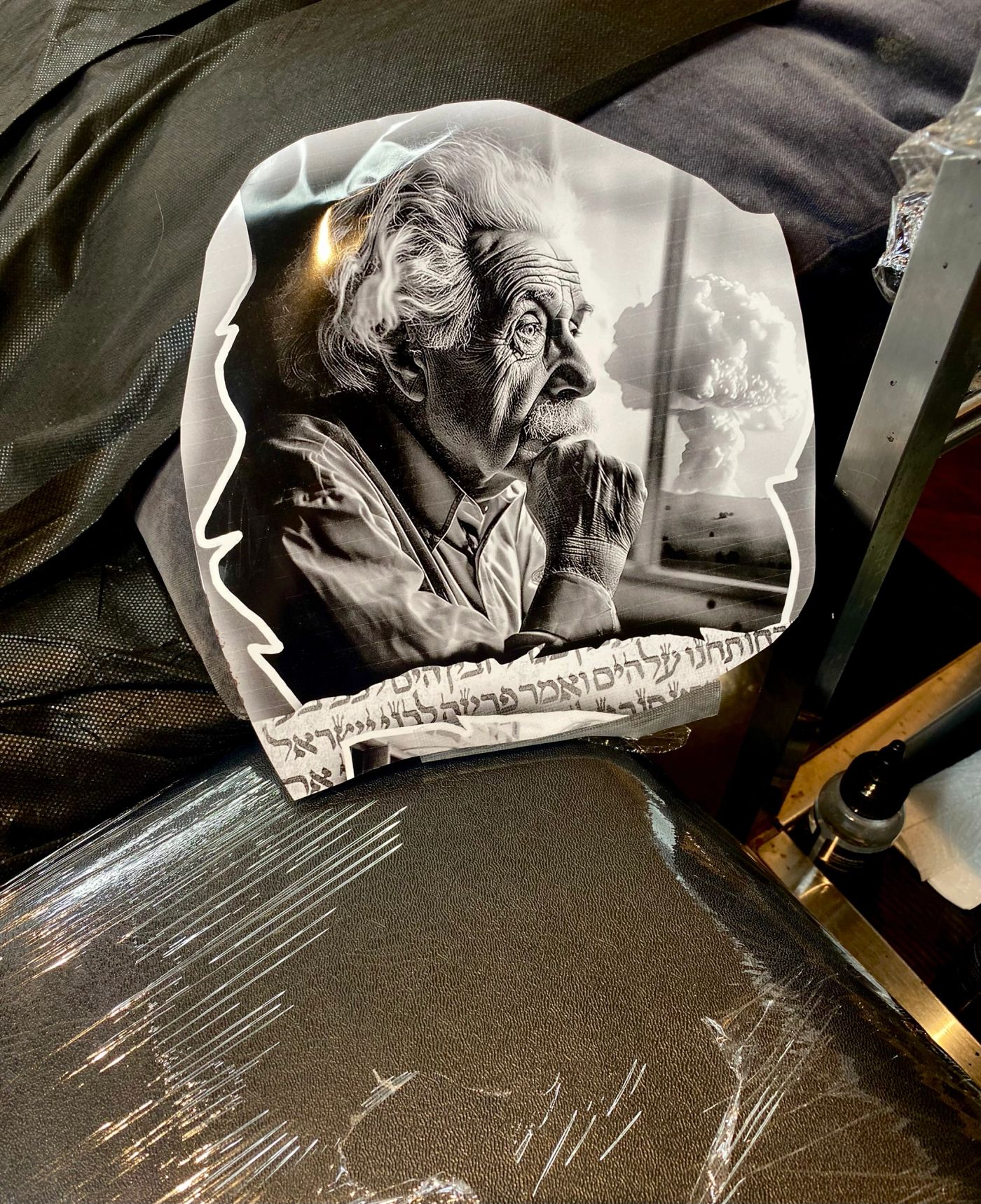
May all of these people—and the great many and worthy others unnamed here, heroes in their own rights, or murdered simply for being Jews—not be forgotten.
——
Protocol Note: Consider botulinum toxin or glycopyrrolate wipes in advance to armpits for such work in a hot/humid climate. Otherwise you might smell like a rotting sea lion and be unable to keep any occlusive dressing attached for more than five minutes…..